
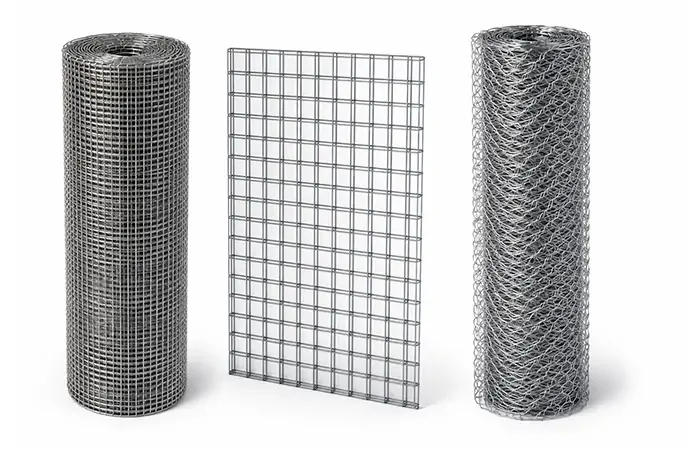
Across construction, agriculture, filtration, architecture, and manufacturing, wire mesh is one of the most widely used industrial materials. From fencing systems and safety guards to precision filtration and laboratory sieving, its versatility comes from a simple principle: interconnected metal wires forming consistent openings.
Many buyers encounter related terms—wire mesh, wire cloth, wire net, mesh fabric—and often use them interchangeably. While closely related, each term reflects a slightly different manufacturing method or application focus. This guide clarifies the terminology, explains types, materials, specifications, and shows how to choose the right mesh for your project.
What Is Wire Mesh? Definition and Structure
Wire mesh is a sheet, roll, or panel made by intersecting metal wires in a regular pattern to form uniform openings (apertures).
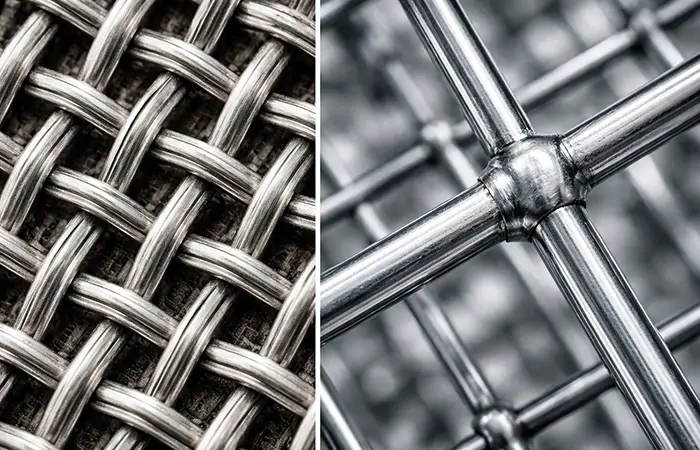
Depending on how the wires are joined, it is typically categorized into:
- Woven Wire Mesh — wires interlaced like textile fabric
- Welded Wire Mesh — wires welded at intersections
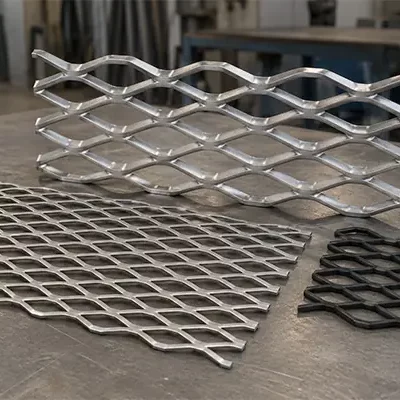
- Expanded or perforated metal (formed from sheets rather than wires)
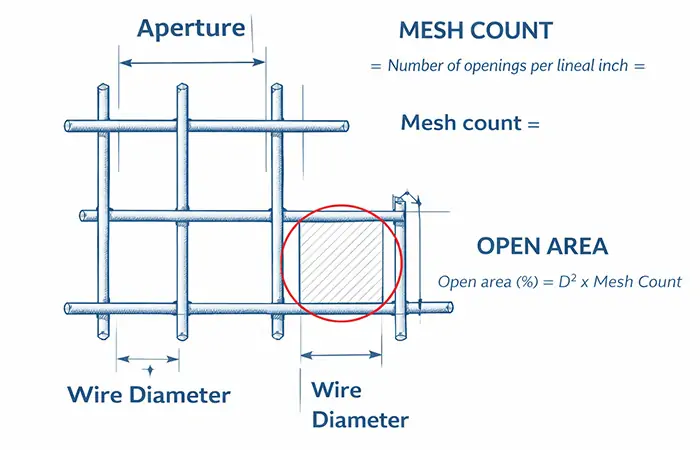
Key terminology
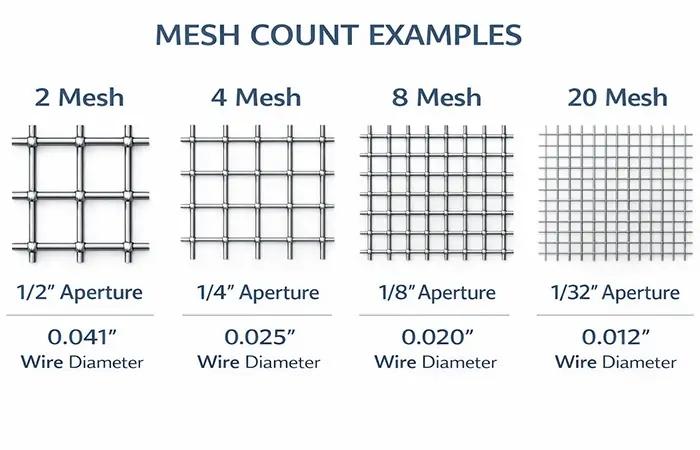
- Mesh count: number of openings per inch
- Aperture: clear opening between wires
- Wire diameter (gauge): thickness of each wire
- Open area: percentage of empty space for airflow or filtration
Wire cloth usually refers to finer woven meshes for filtration and screening.
Wire net often refers to lighter meshes used in agriculture or fencing.
Main Types of Wire Mesh
1) Woven Wire Mesh
Woven Wire Mesh is produced on weaving looms. It offers:
- High precision apertures
- Excellent for filtration and sieving
- Flexible and rollable
- Wide mesh count range (coarse to ultra-fine)
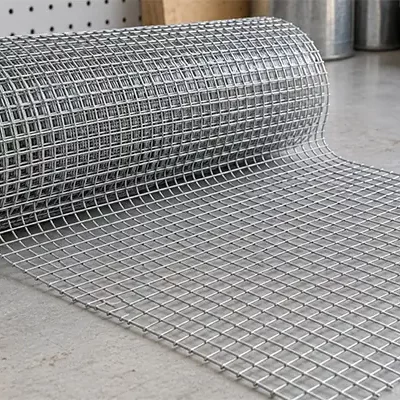
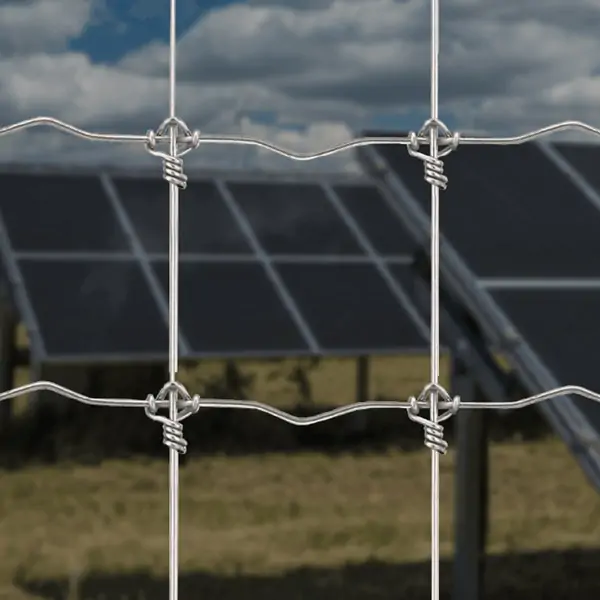
2) Welded Wire Mesh
Welded Wire Mesh is made by resistance welding wires at right angles.
- Rigid structure
- Strong load capacity
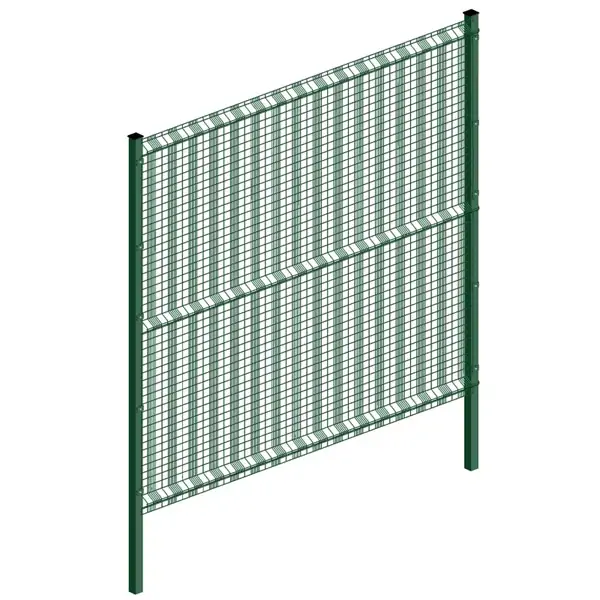
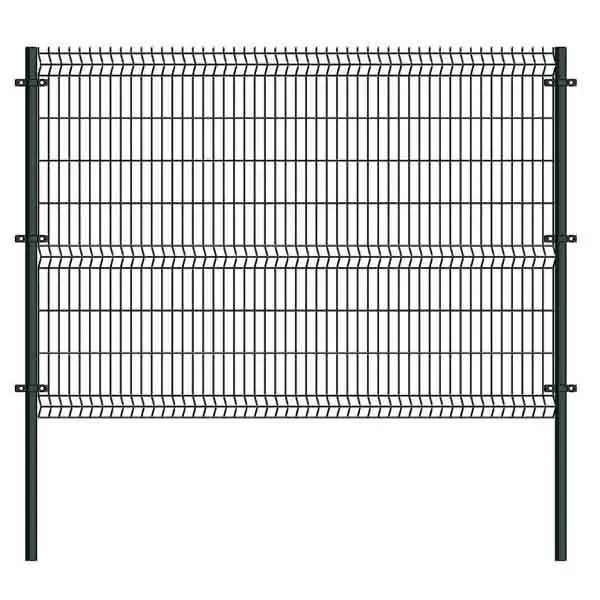
- Ideal for fencing, panels, guards, reinforcement
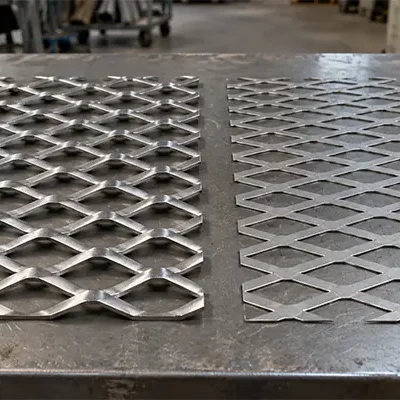
3) Expanded Metal Mesh
Made by slitting and stretching metal sheets.
- No welding points
- High strength-to-weight ratio
- Used for walkways, guards, architectural panels
4) Wire Netting / Chicken Wire
Light hexagonal mesh for agriculture, poultry, and garden protection.
Wire Mesh Materials Explained
Material selection determines corrosion resistance, strength, and lifespan.
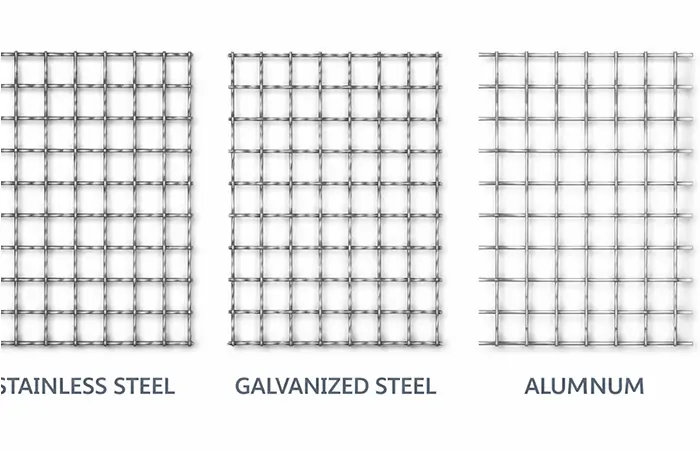
Stainless Steel
Stainless Steel Wire Mesh
- Grades like 304 and 316
- Excellent corrosion and heat resistance
- Ideal for filtration, food, chemical, marine use
Galvanized Steel
Galvanized Wire Mesh
- Zinc coating prevents rust
- Cost-effective for fencing and outdoor use
Aluminum
Aluminum Wire Mesh
- Lightweight
- Good corrosion resistance
- Used for screens, ventilation, architectural uses
Copper / Brass
Used for specialty filtration, EMI/RFI shielding, and decorative applications.
Understanding Wire Mesh Specifications
This is the most critical part for buyers.
Mesh Count vs Aperture
- Higher mesh count → smaller openings
- Lower mesh count → larger openings
Wire Diameter (Gauge)
- Thicker wire → stronger mesh, smaller open area
- Thinner wire → better flow, finer screening
Mesh Spacing
Distance between wires; determines flow and visibility.
Standard Forms
- Rolls (for woven mesh)
- Sheets and panels (for welded mesh)
Understanding these four parameters allows you to read any wire mesh specification sheet correctly.
How Wire Mesh Is Manufactured
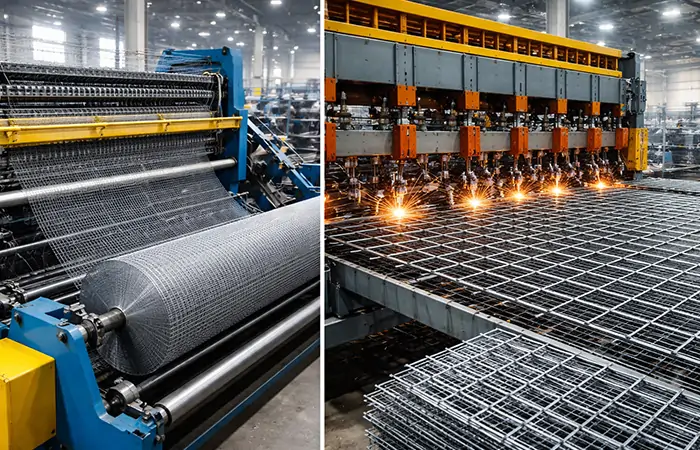
Weaving Process
Metal wires are woven on industrial looms similar to textile weaving.
Welding Process
Straight wires are fed into welding machines and resistance-welded at intersections.
Secondary Fabrication
- Cutting
- Rolling
- Framing
- Bending
- Forming baskets, guards, filters
This is known as wire mesh fabrication, allowing custom industrial products.
Key Benefits of Wire Mesh
- High strength with low weight
- Excellent airflow and visibility
- Corrosion resistance (depending on material)
- Easy to cut, bend, weld, and fabricate
- Long service life with minimal maintenance
- Cost-effective for large areas
Common Applications Across Industries
Fencing and Security
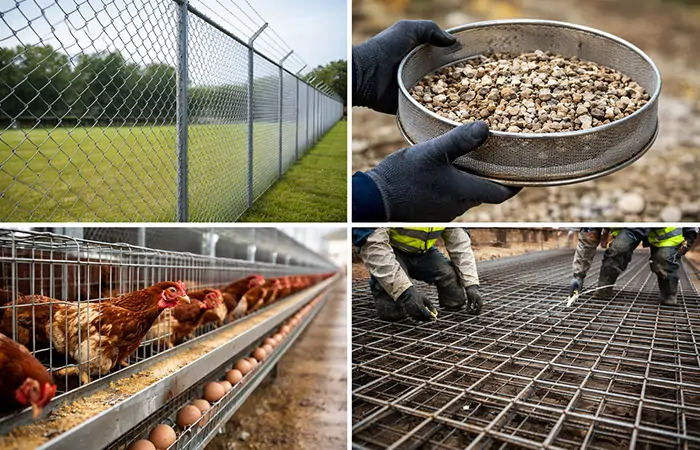
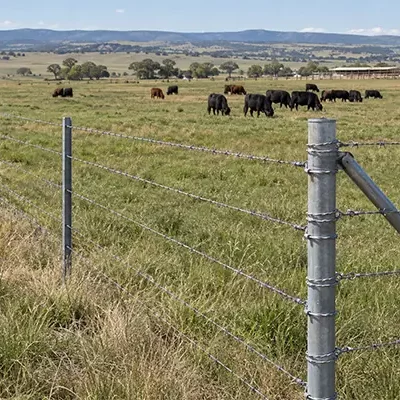
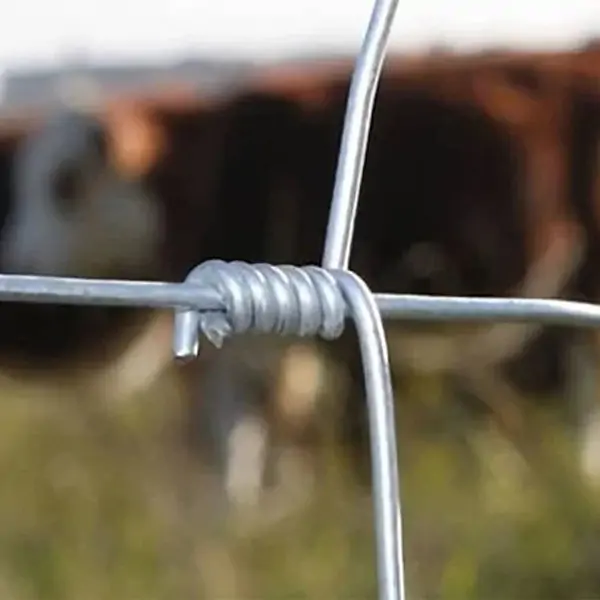
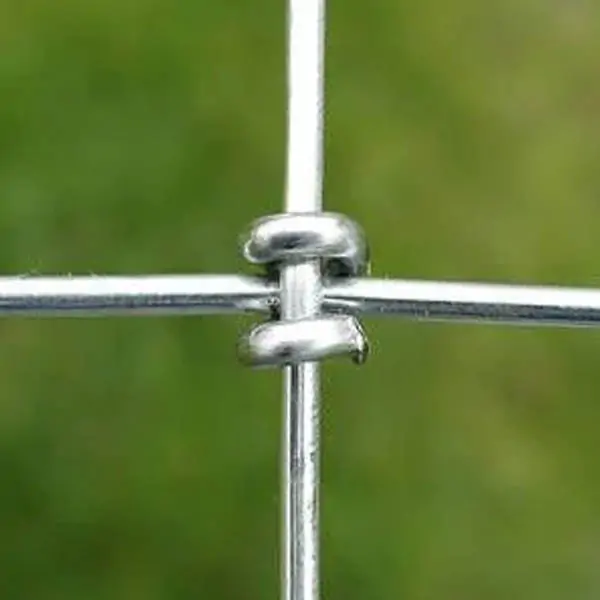
Perimeter fencing, animal enclosures, partitions using Welded Wire Mesh and netting.
Filtration and Sieving
Fine Woven Wire Mesh used in:
- Filters
- Sieves
- Strainers
- Laboratory screens
Agriculture and Poultry
Chicken wire, cages, breeding enclosures.
Construction
Concrete reinforcement, wall support, safety barriers.
Industrial Use
Machine guards, wire mesh baskets, storage cages.
Laboratory and Chemical
Precision stainless mesh for particle separation.
Architectural and Decorative
Facades, ceilings, metal mesh curtains, sunshades.
Woven vs Welded Wire Mesh: How to Choose
| Feature | Woven Wire Mesh | Welded Wire Mesh |
|---|---|---|
| Structure | Interlaced | Welded joints |
| Flexibility | Flexible | Rigid |
| Precision | Very high | Moderate |
| Strength | Medium | High |
| Typical Use | Filtration, sieving | Fencing, panels, guards |
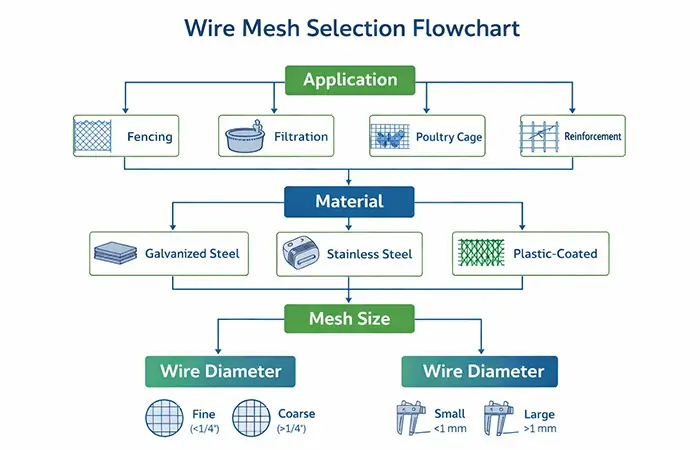
How to Choose the Right Wire Mesh (Buyer’s Guide)
- Define the application (filtering, fencing, guarding, screening)
- Choose material based on environment (corrosion, heat, chemicals)
- Select mesh count and wire diameter
- Decide roll vs sheet vs panel
- Confirm surface treatment (galvanized, stainless, PVC-coated)
Standard Sizes and Custom Options
Common Roll Sizes
- 1m, 1.2m, 1.5m width
- 30m length rolls
Common Sheet Sizes
- 1m × 2m panels
- 4ft × 8ft sheets
Custom cutting, framing, and forming are widely available from manufacturers.
Frequently Asked Questions
What is wire mesh used for?
Fencing, filtration, guarding, screening, reinforcement, and architectural use.
What is the difference between mesh and net?
Mesh is typically stronger and more precise; netting is lighter and flexible.
Which mesh is best for filtration?
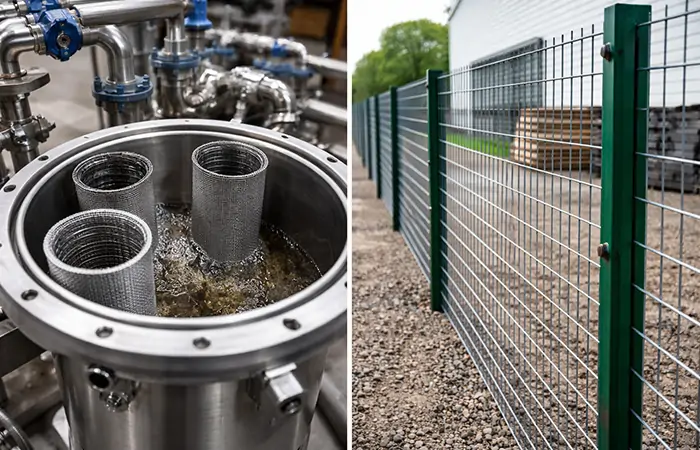
Fine stainless woven wire mesh.
Which mesh is best for fencing?
Galvanized or PVC-coated welded wire mesh.
Conclusion
Wire mesh is one of the most adaptable materials in industrial and commercial applications. By understanding its types, materials, and specifications, buyers can accurately select the right product for fencing, filtration, construction, agriculture, or architectural use.
When in doubt, provide your supplier with: application + material + mesh count + wire diameter + size. That information is enough to match the perfect wire mesh solution.
 EN
EN  DE
DE  FR
FR  ES
ES  AR
AR  PT
PT