
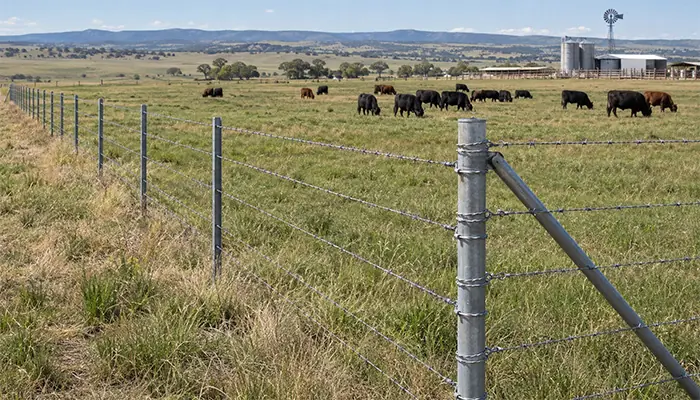
How to Choose the Best Barbed Wire for Farms and Agricultural Fencing
Choosing the best barbed wire for a farm is not simply a matter of finding the lowest price per roll. The wire must suit the livestock, fence layout, terrain, climate, post system, installation method, and expected service life. A product that works well on a dry cattle ranch may not be the right choice for a humid coastal pasture, a mixed-livestock enclosure, or a boundary shared with a public road. For many cattle farms, a well-manufactured double-strand galvanized barbed wire with consistent barb spacing offers a practical balance of strength, corrosion resistance, installation efficiency, and cost. However, the correct wire diameter, tensile grade, zinc
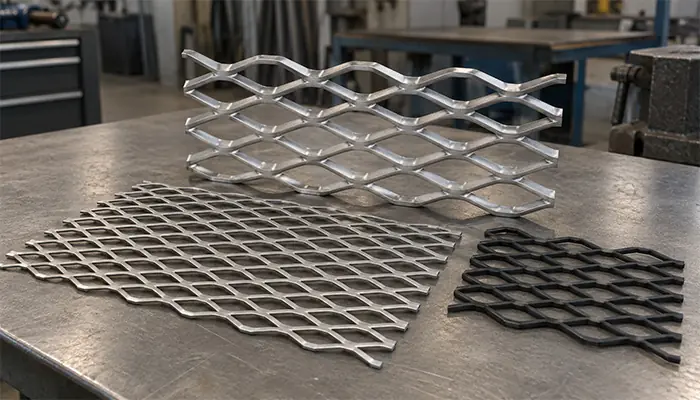
Different Types of Expanded Metal: The Ultimate Guide
An expanded metal sheet may look straightforward, but its diamond pattern tells you only part of the story. Surface profile, material, strand dimensions and opening size all influence how a panel performs and how it fits into a finished assembly. The main types of expanded metal include standard or raised mesh, flattened mesh, expanded metal grating, architectural mesh, and fine or micro mesh. Expanded metal lath is another important product family used in building finishes. For importers, distributors, fabricators and project buyers, understanding these differences makes product comparisons more useful. This guide explains how to identify the right type, read specifications and
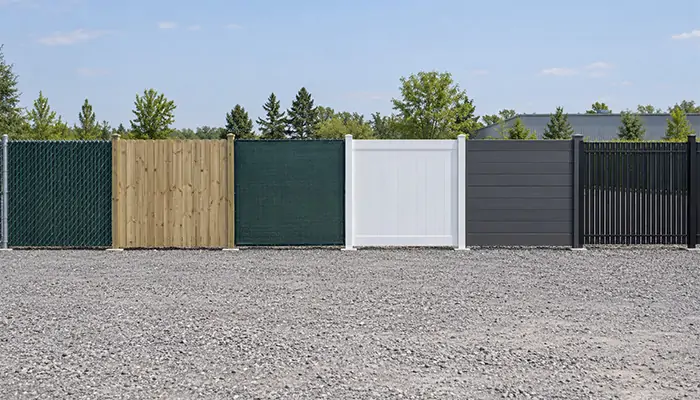
6 Affordable Privacy Fence Options – A Complete Guide
A privacy fence can block unwanted views, define property boundaries and create a more secure outdoor space. It may be installed around a backyard, swimming pool, apartment complex, warehouse, factory, construction site or equipment storage area. However, complete privacy fencing can become expensive when a project includes a long boundary, several gates or difficult ground conditions. The cheapest panel is not necessarily the most economical completed fence. Posts, foundations, fittings, installation, freight and maintenance all contribute to the final cost. The right solution depends on whether the fence is temporary or permanent, how much privacy is required and how the material will
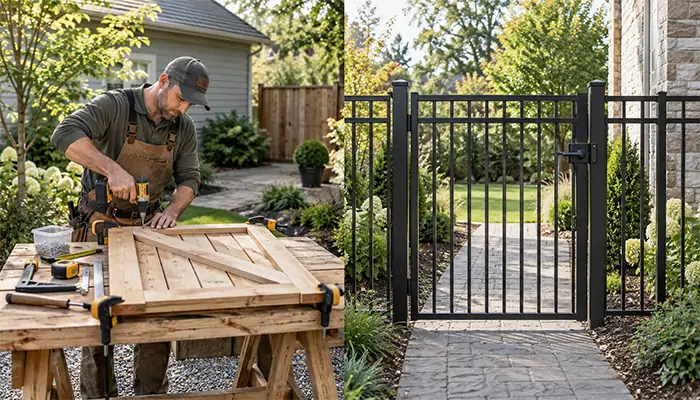
Build vs. Buy a Fence Gate: Which Option Is Better? – A Complete Guide
A fence gate is more than an opening in a boundary. It controls access, affects security and often receives more daily wear than any other part of a fence. A poorly built gate may sag, drag on the ground, fail to latch or place excessive stress on the gate posts. When planning a new entrance, you normally have two options: build the gate yourself or buy a ready-made or custom gate from a manufacturer. Building may look less expensive, especially for a small residential project. Buying, however, can provide better dimensional accuracy, consistent quality and faster installation. So, which option is better?
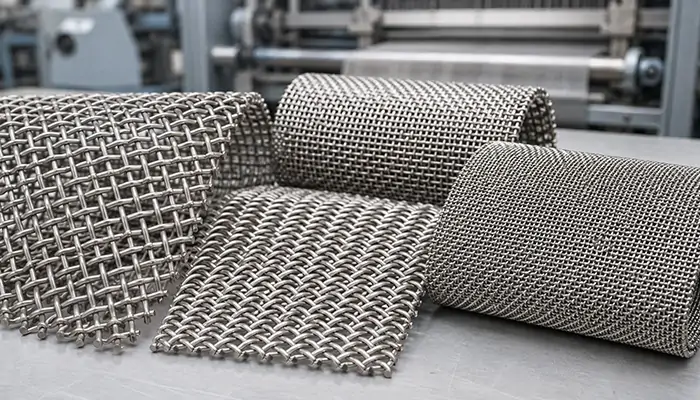
A Guide to Wire Cloth Weaves: Types of Weaves & How to Choose the Right One
Wire cloth may look simple, but its performance depends heavily on how the metal wires are woven. Two meshes made from the same stainless steel and with a similar mesh count can behave very differently when their weave patterns change. The weave determines the opening structure, filtration accuracy, mechanical strength, flexibility, open area and resistance to pressure. Selecting the wrong pattern can result in insufficient flow, premature mesh failure, excessive pressure drop or inaccurate particle separation. This guide explains the main types of wire cloth weaves, including plain weave, twill weave, Dutch weave, reverse Dutch weave and crimped patterns. It also provides
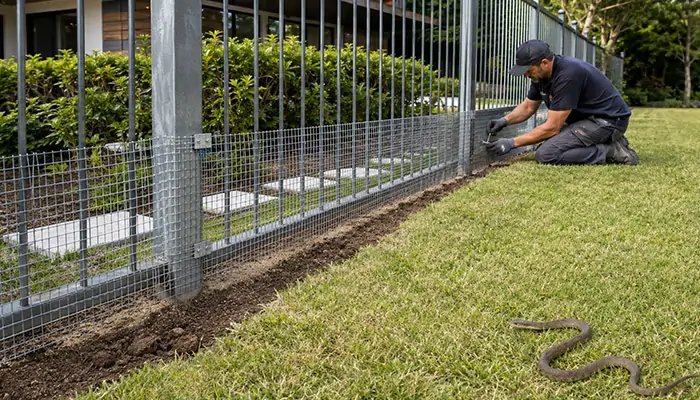
5 Tips for Installing a Wire Mesh Snake Fence – A Complete Guide
Snakes can enter yards, gardens, poultry areas and agricultural properties through surprisingly small openings. Gaps under gates, spaces around drainage channels, damaged fence bottoms and vegetation growing against a boundary can all weaken an otherwise secure enclosure. A properly designed wire mesh snake fence creates a continuous physical barrier around the protected area. Unlike chemical repellents, snake proof fencing works by limiting the openings through which a snake can pass while also preventing access over or beneath the fence. However, simply attaching wire mesh to an existing fence does not automatically make the area snake-proof. The mesh opening, material, height, underground depth,
 EN
EN  DE
DE  FR
FR  ES
ES  AR
AR  PT
PT