
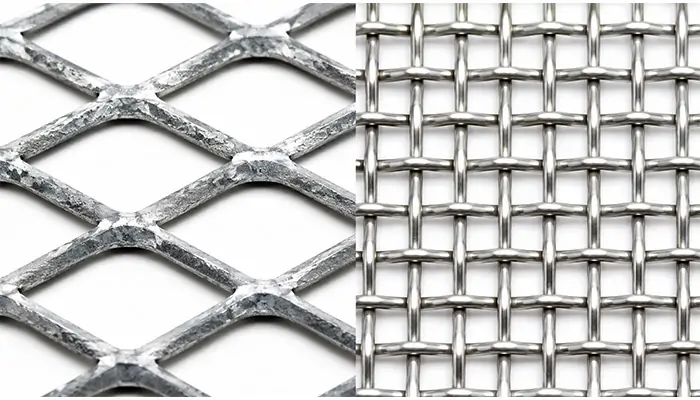
In construction and industrial supply, few terms are confused as often as metal lath and metal mesh. Many buyers, contractors, and even suppliers use these names interchangeably. Search engines are full of phrases like wire mesh lath, plaster mesh, stucco mesh, and lath mesh—but these materials are not the same and are not used for the same purpose.
If your project involves plaster, stucco, or concrete reinforcement, choosing the wrong material can lead to poor bonding, cracking surfaces, and structural failure.
This guide explains clearly what metal lath is, what metal mesh is, and why they should never be confused.
What is Metal Lath in Construction?
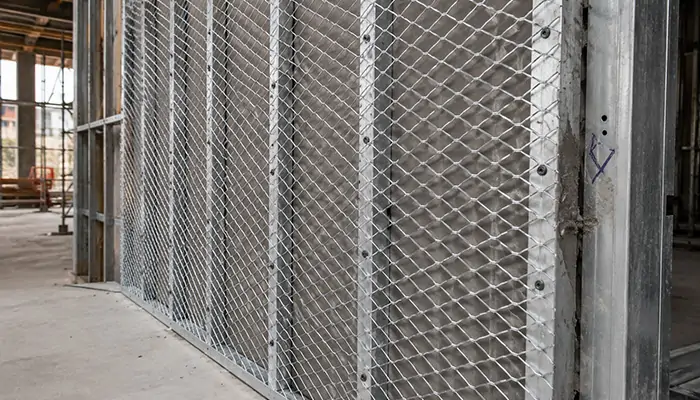
Metal lath is a plaster and stucco reinforcement material used as a base to hold wet plaster, stucco, or mortar in place until it cures.
It is commonly used in:
- Stucco exterior wall systems
- Interior plaster walls and ceilings
- Concrete column fireproofing
- Tile and stone base layers
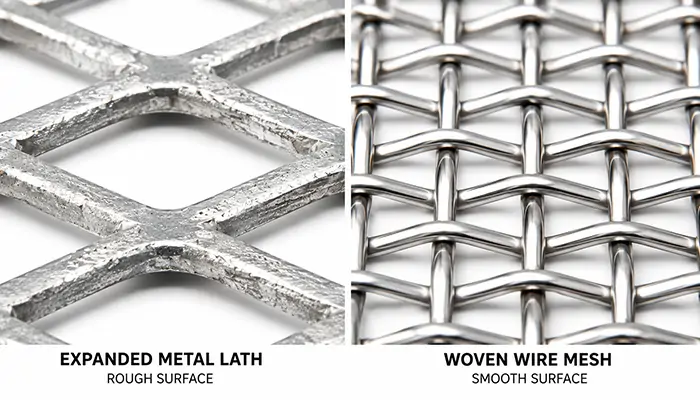
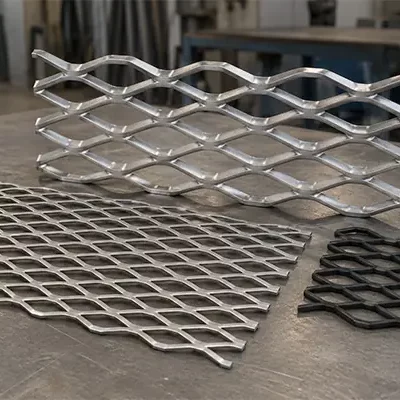
Metal lath is manufactured from galvanized steel sheet or stainless steel sheet that is slit and expanded into a diamond-shaped pattern. This process creates a rough, rigid surface that allows plaster to mechanically bond to the metal.
Because of this function, metal lath is also called:
- Stucco lath
- Plaster lath
- Diamond lath mesh
- Expanded metal lath
The key idea: metal lath exists to hold plaster.
What is Metal Mesh?
Metal mesh is a broad category of materials used for:
- Filtering
- Screening
- Fencing
- Guarding
- Separation
- Protection
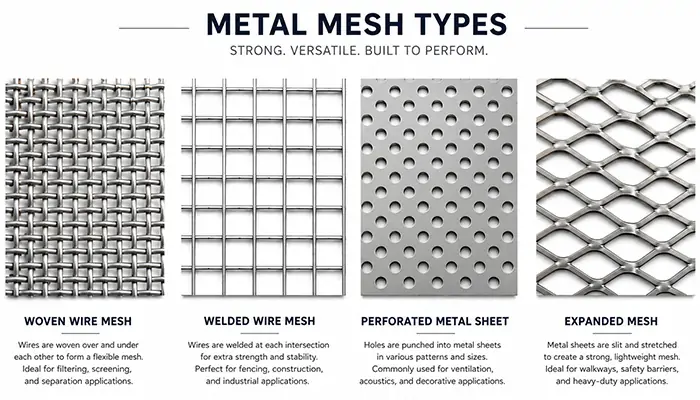
Metal mesh can be manufactured by:
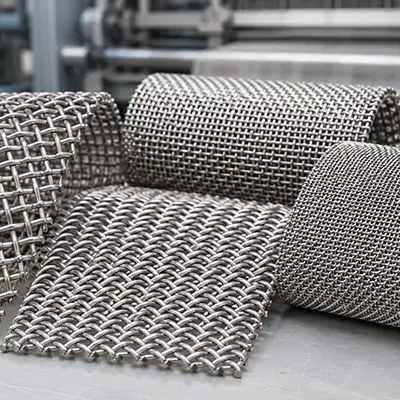
- Weaving wires (woven wire mesh)
- Welding wires (welded wire mesh)
- Punching holes (perforated metal)
- Expanding sheets (expanded metal mesh)
Unlike metal lath, metal mesh is designed for airflow, visibility, or filtration, not for plaster bonding.
The surface of mesh is typically smooth and does not provide the grip required for stucco or plaster to adhere properly.
The key idea: metal mesh exists for separation or protection, not plaster support.
Why People Confuse Metal Lath with Metal Mesh
This confusion happens because:
- Metal lath looks like mesh
- Both have openings
- Both are made from metal
- Both can be galvanized or stainless steel
As a result, common searches include:
- Wire mesh lath
- Plaster mesh wire
- Metal mesh for plaster
- Lath wire
- Mesh for plaster walls
But appearance does not equal function.
Metal lath is engineered for plaster adhesion. Metal mesh is not.
The Structure of Expanded Metal Lath (Diamond Pattern)
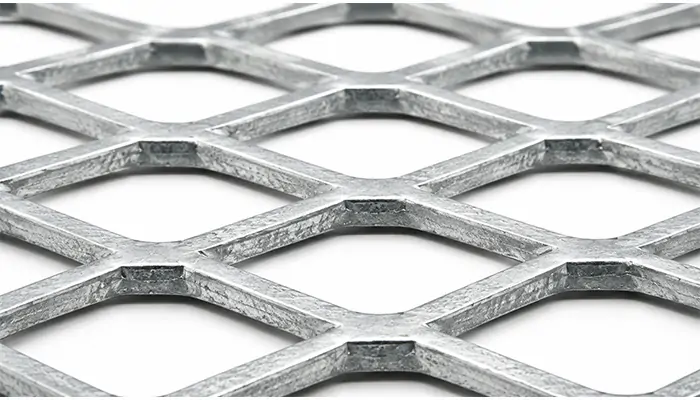
Metal lath is made by slitting and stretching a steel sheet into a diamond-shaped expanded pattern.
This creates:
- Sharp edges and rough surfaces
- Three-dimensional depth
- Excellent plaster keying and grip
- High rigidity without heavy weight
This diamond structure is the primary reason plaster bonds securely to lath but fails on ordinary mesh.
Common Types of Metal Lath
Depending on application, metal lath is available in several forms:
- Flat lath
- Self-furred lath (raised surface for better bonding)
- Paper-backed lath (moisture barrier attached)
- Rib lath (extra strength for ceilings and heavy plaster)
Materials typically include:
- Galvanized steel lath (most common for stucco)
- Stainless steel lath (for humid or coastal environments)
These are usually supplied in sheets for easy installation on framing.
Applications of Metal Lath (Where Mesh Cannot Be Used)
Metal lath is essential in:
- Stucco wall systems
- Plaster ceilings
- Fireproofing steel structures
- Stone and tile backing
- Concrete reinforcement layers
Using wire mesh or welded mesh in these applications often results in plaster detachment or cracking because the surface is too smooth.
Applications of Metal Mesh (Where Lath Cannot Be Used)
Metal mesh is ideal for:
- Air and liquid filtration
- Safety guarding
- Fencing systems
- Machinery protection
- Industrial screening
These functions do not require plaster bonding, which is why mesh performs well here but fails in plaster work.
Metal Lath vs Metal Mesh: Key Differences
| Feature | Metal Lath | Metal Mesh |
|---|---|---|
| Primary purpose | Plaster & stucco reinforcement | Filtering, fencing, guarding |
| Manufacturing | Slit and expanded steel sheet | Woven, welded, perforated, or expanded |
| Surface texture | Rough, sharp, bonding surface | Smooth surface |
| Used with | Plaster, stucco, mortar | Air, liquid, protection |
| Typical form | Sheets | Rolls or panels |
| Bonding ability | Excellent for plaster | Poor for plaster |
What Does “Lathing” Mean in Construction?
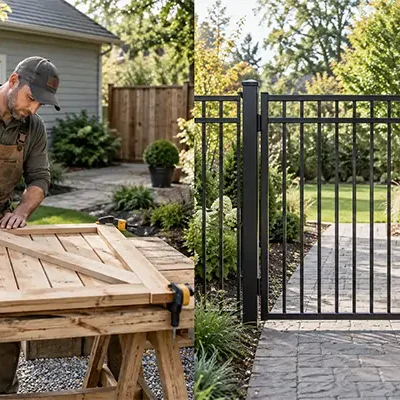
Lathing is the process of installing a base framework that supports plaster or stucco. Historically, wooden laths were used. Today, metal lath has replaced wood because it is:
- Stronger
- Fire resistant
- More durable
- Easier for plaster to bond to
So when builders refer to “lathing,” they mean installing metal lath before plastering.
How to Choose the Right Metal Lath for Plaster Work
When selecting metal lath, consider:
- Galvanized coating thickness for corrosion resistance
- Sheet thickness for strength
- Diamond opening size
- Whether self-furred or flat lath is needed
- Environmental conditions (stainless steel for coastal use)
Choosing the correct lath ensures long-term plaster stability.
Conclusion: Stop Using the Wrong Material
If your project involves plaster, stucco, or mortar application, the correct material is metal lath, not metal mesh.
Although they may look similar, their design, purpose, and performance are completely different. Understanding this distinction prevents construction failure and ensures professional results.
FAQ
Is metal lath the same as wire mesh?
No. Metal lath is for plaster bonding. Wire mesh is for filtering or protection.
Can I use metal mesh for plaster?
No. Plaster will not adhere properly to smooth mesh surfaces.
What is diamond lath mesh?
It is expanded metal lath with a diamond pattern designed for stucco and plaster.
Why is galvanized metal lath used for stucco?
Galvanization prevents rust while providing a strong bonding surface.
What is lath in construction?
Lath is the base material installed before plastering to hold the plaster in place.





 EN
EN  DE
DE  FR
FR  ES
ES  AR
AR  PT
PT