
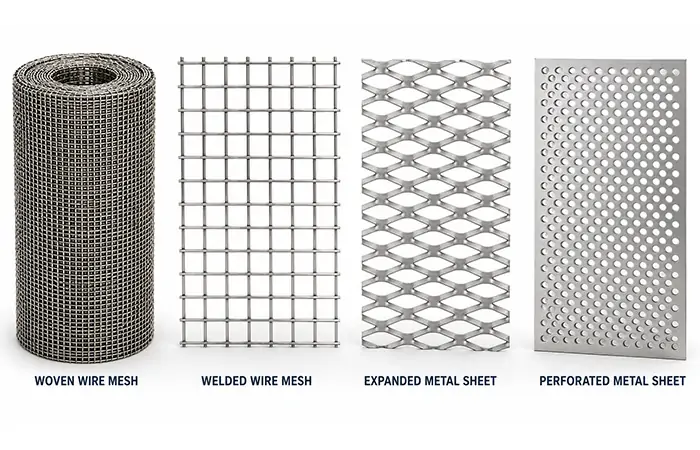
Metal mesh is one of the most versatile industrial materials used across construction, manufacturing, agriculture, architecture, filtration, safety protection, and equipment fabrication. Whether in the form of wire mesh rolls, rigid panels, sheets, or custom-fabricated components, metal mesh plays a critical role in both structural and functional applications.
This complete guide explains what metal mesh is, the different manufacturing types, material options, mesh patterns, and how to select the right mesh for your specific industrial or commercial project.
What Is Metal Mesh?
Metal mesh (also called wire mesh, metal net, or metal mesh fabric) is a grid-like structure formed by intersecting metal wires or metal sheets processed into open patterns. It allows airflow, visibility, strength, and filtration, making it suitable for a wide range of uses.
Depending on the production method, metal mesh can be:
- Woven from metal wires
- Welded at wire intersections
- Expanded from metal sheets
- Perforated with punched holes
Each method produces a distinct structure with different strength, flexibility, and application suitability.
Metal Mesh Types by Manufacturing Method
1. Woven Wire Mesh
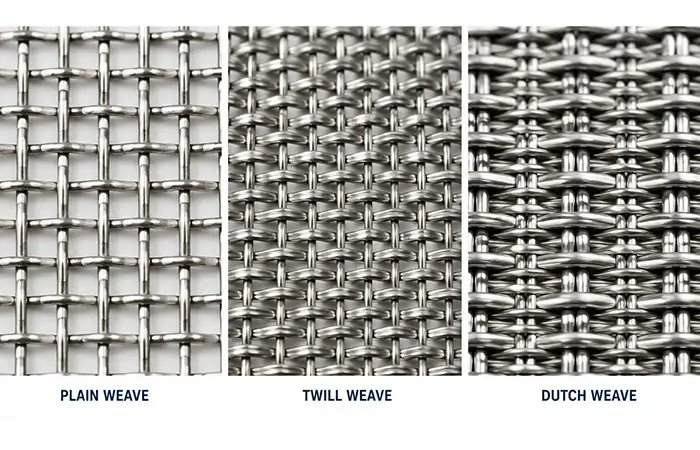
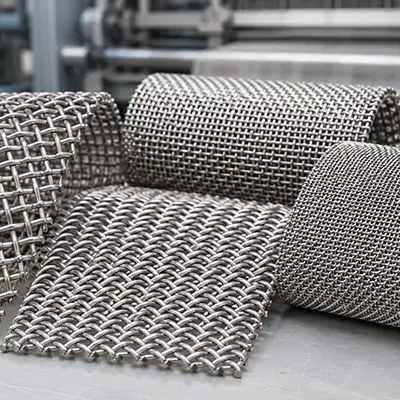
Woven wire mesh is produced by weaving metal wires over and under each other, similar to textile weaving.
Common weave patterns:
- Plain weave
- Twill weave
- Dutch weave
- Intercrimp weave
Features:
- High precision openings
- Excellent for filtration and screening
- Available as fine mesh or heavy-duty mesh
- Flexible and supplied in rolls
Typical uses: filters, sieves, process industries, food processing, chemical filtration.
2. Welded Wire Mesh
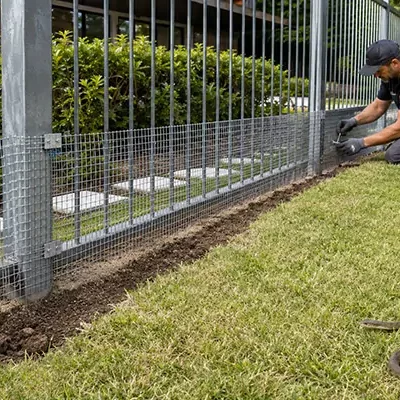
Welded wire mesh is manufactured by welding wires at every intersection to form rigid panels or rolls.
Features:
- Strong and rigid structure
- Uniform openings
- Ideal for structural and construction use
- Easy to cut, weld, and fabricate into panels
Typical uses: wall reinforcement, fencing, cages, partitions, construction support.

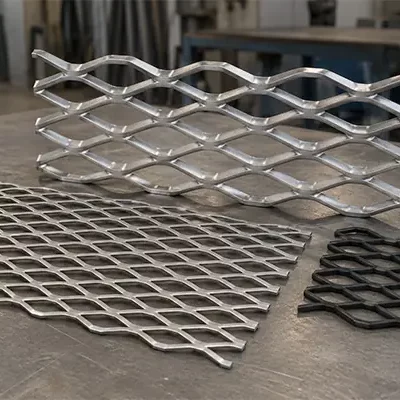
3. Expanded Metal Mesh
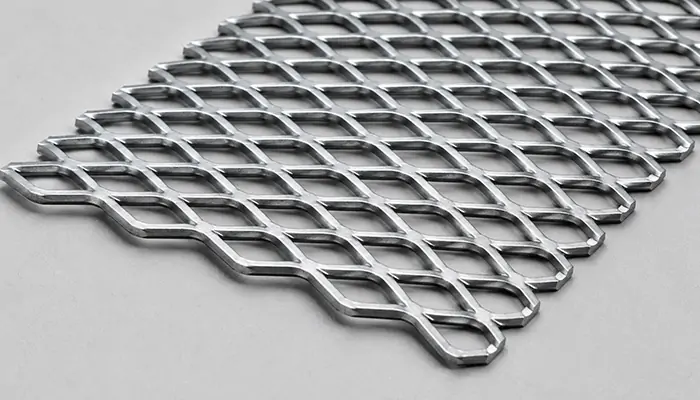
Expanded metal mesh is made by slitting and stretching a metal sheet into a mesh-like structure without welding or weaving.
Features:
- No joints or weld points
- High strength-to-weight ratio
- Slip-resistant surface
- Decorative and architectural appeal
Typical uses: walkways, facades, platforms, grills, security panels.
4. Perforated Metal Mesh (Mesh Sheet Metal)
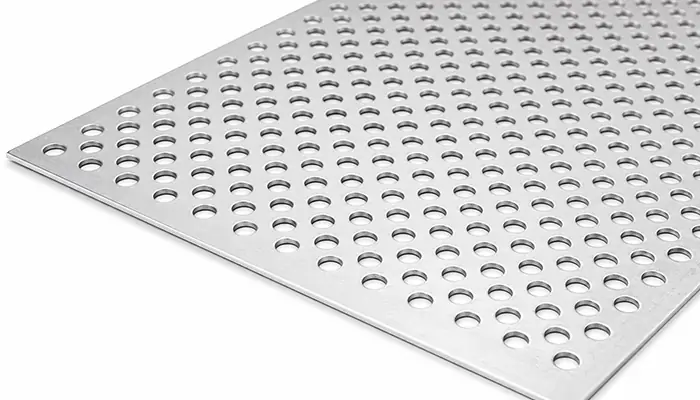
Perforated mesh is created by punching holes into metal sheets.
Features:
- Uniform hole patterns
- Excellent for airflow and sound control
- Strong and durable
- Used as metal mesh sheets
Typical uses: architectural panels, machine covers, sound insulation, ventilation.
Metal Mesh Types by Material
Choosing the correct metal mesh material is critical for durability and performance.
| Material | Features | Typical Applications |
|---|---|---|
| Stainless Steel (304, 316, 316L) | Corrosion-resistant, hygienic, heat-resistant | Filtration, food industry, marine use |
| Galvanized Steel | Zinc-coated for rust protection, cost-effective | Fencing, construction, agriculture |
| Mild Steel / Iron Mesh | Strong, economical | Reinforcement, industrial use |
| Aluminum Mesh | Lightweight, corrosion-resistant | Decoration, facades, ventilation |
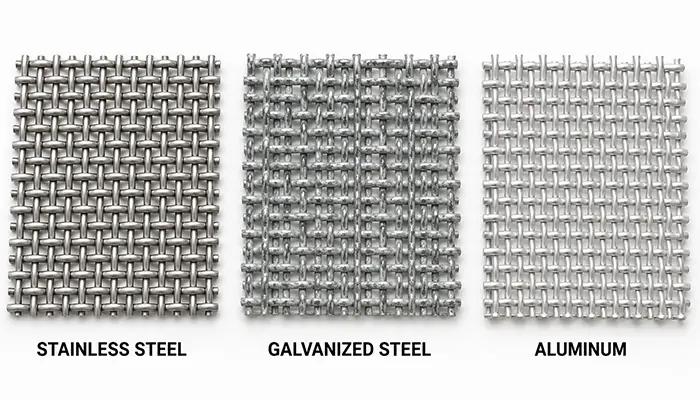
Metal Mesh Patterns and Structures
Mesh pattern determines airflow, strength, and visual effect.
Common mesh patterns:
- Square mesh
- Rectangular mesh
- Hexagonal mesh
- Crimped / intercrimp mesh
- Fine mesh (small aperture)
- Coarse mesh (large aperture)
- Heavy-duty woven mesh for baskets and guards
Metal Mesh Forms: Rolls, Sheets, Panels, and Fabric
Metal mesh is supplied in different forms depending on application:
- Mesh rolls: flexible, ideal for filtration and agricultural use
- Mesh sheets: flat pieces for fabrication
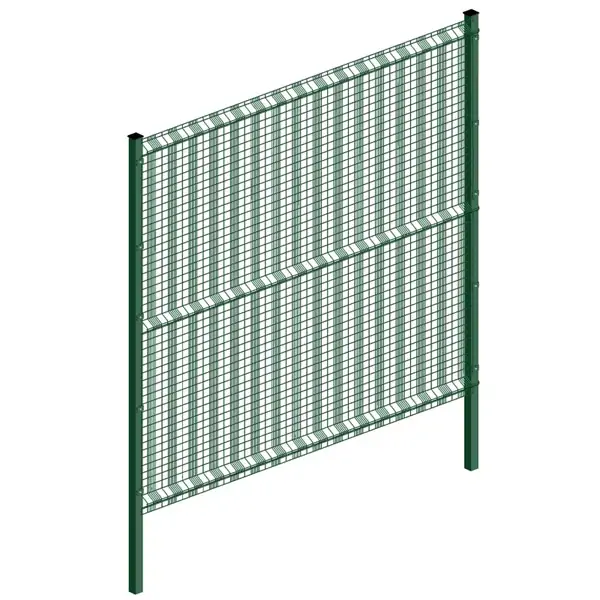
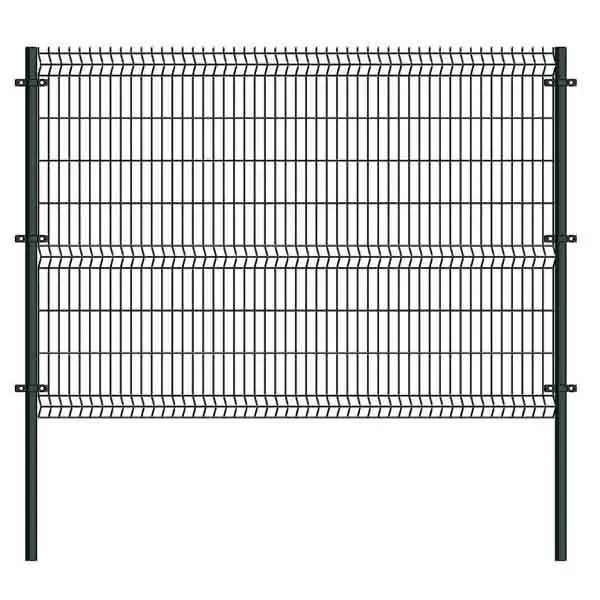
- Wire mesh panels: rigid panels for walls, fencing, cages
- Mesh fabric: fine woven mesh for industrial filters
Industrial Applications of Metal Mesh
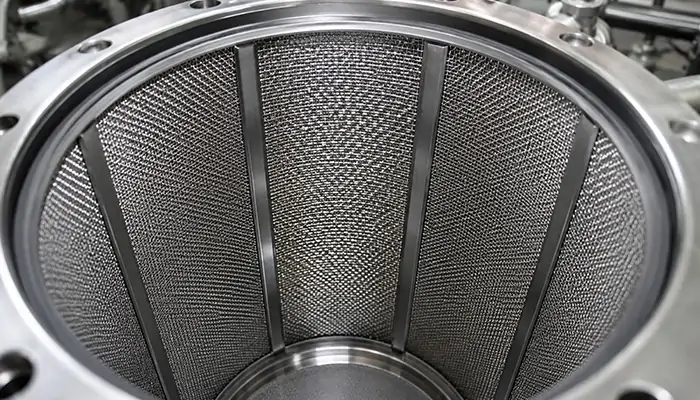
1. Filtration and Process Industries
Fine stainless steel mesh is widely used in:
- Oil and chemical filtration
- Food and beverage processing
- Pharmaceutical sieving
- Water treatment systems
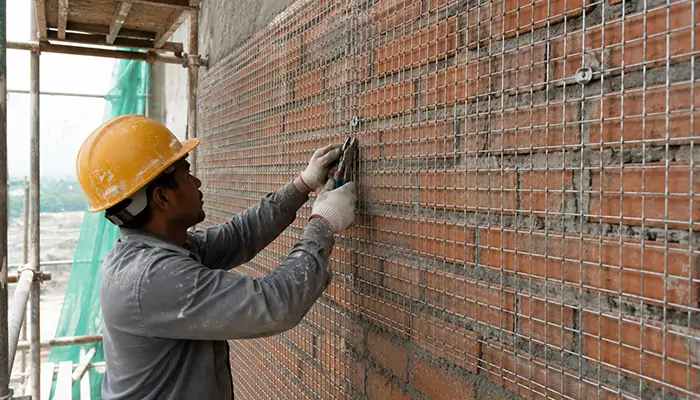
2. Construction and Architecture
Metal mesh is heavily used in construction:
- Wall reinforcement before plastering
- Metal mesh walls and partitions
- Decorative facades and ceilings
- Lath mesh in building structures
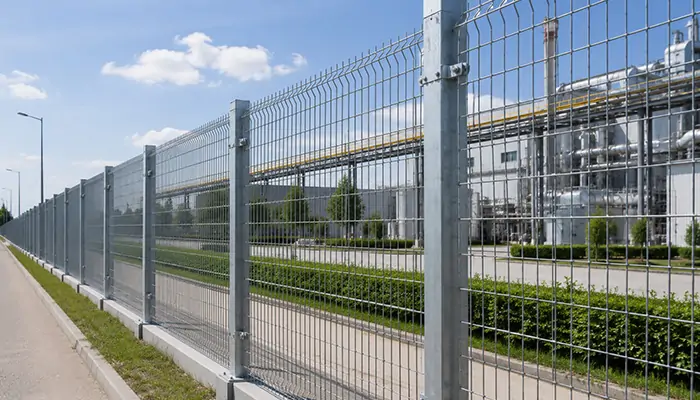
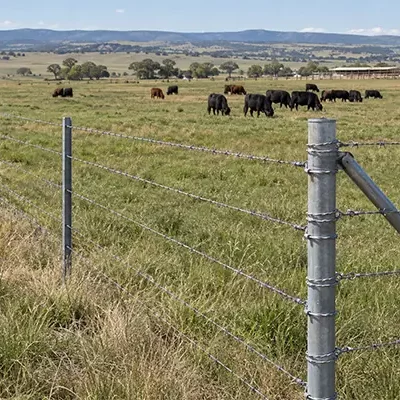
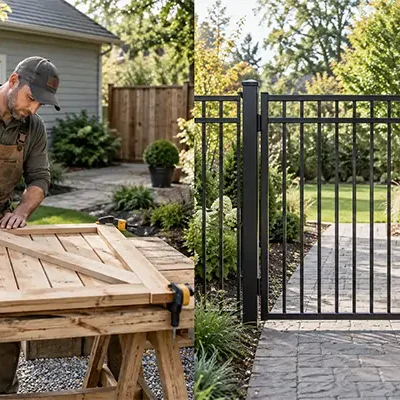
3. Fencing and Security
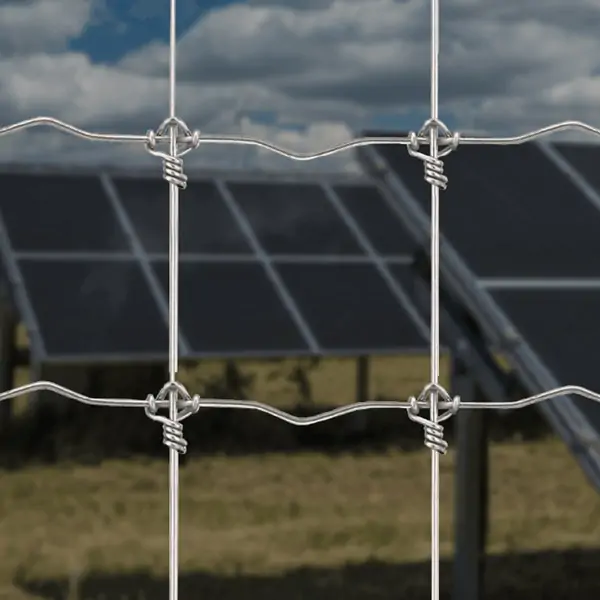
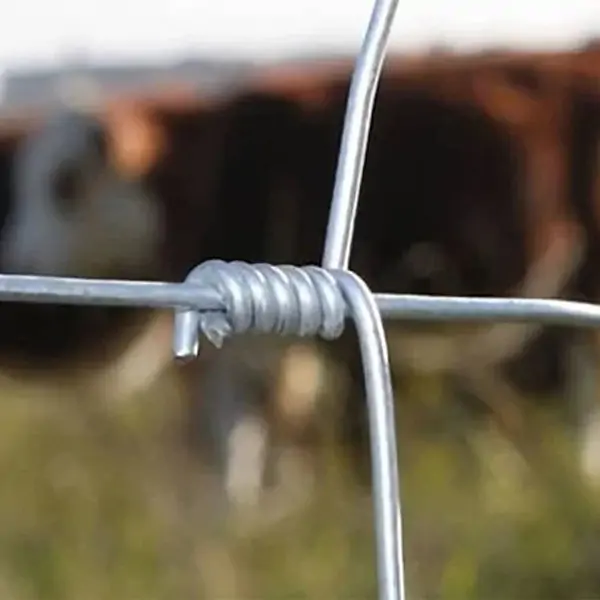
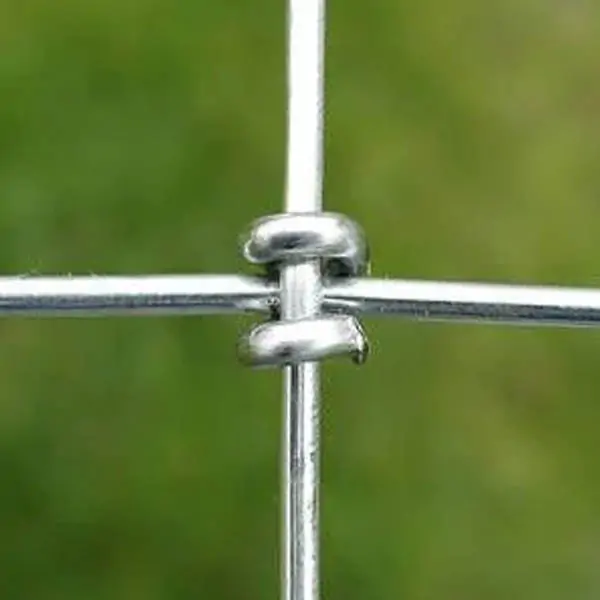
Wire mesh is a primary material for fencing systems:
- Perimeter fencing
- Industrial mesh fencing
- Security partitions
- Animal enclosures
4. Safety and Protection Equipment
Special metal mesh products include:
- Metal mesh gloves for cut protection
- Metal mesh slings for lifting
- Machine safety guards
5. Agriculture and Farming
Metal mesh is essential in:
- Poultry cages
- Animal cages
- Farm fencing
- Breeding equipment
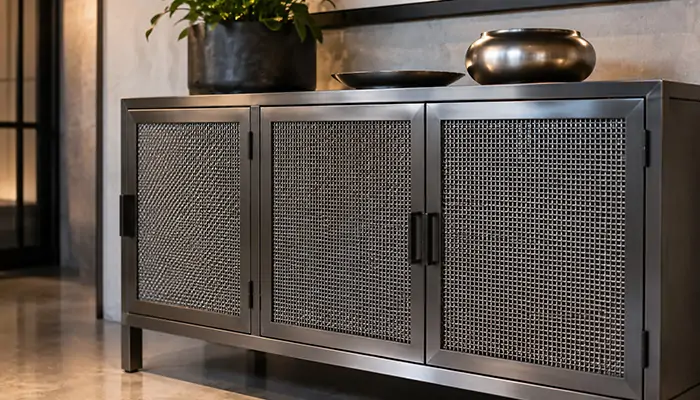
6. Furniture and Decoration
Due to its aesthetic and ventilated structure, metal mesh is used in:
- Metal mesh doors
- Cabinets and lockers
- Outdoor tables
- Interior design elements
Differences Between Woven, Welded, and Expanded Mesh
| Feature | Woven Mesh | Welded Mesh | Expanded Mesh |
|—|—|—|
| Flexibility | High | Low | Medium |
| Strength | Medium | High | Very High |
| Precision | Very High | High | Medium |
| Best For | Filtration | Construction | Platforms & security |
| Cost | Medium | Low | Medium |
How to Choose the Right Metal Mesh
When selecting wire mesh, consider:
- Application purpose – filtration, fencing, reinforcement, decoration
- Load requirement – light duty or heavy duty
- Environment – corrosion, moisture, chemicals, heat
- Aperture size – airflow vs strength
- Wire diameter – determines durability
- Material type – stainless steel, galvanized, aluminum, or iron
Custom Wire Mesh Panels and Fabrication
Most industrial projects require customized mesh:
- Cutting to size
- Bending and welding
- Surface treatment (galvanized, PVC coated, polishing)
- Custom wire mesh panels for walls, machines, cages, or fencing
OEM and project-based customization are common in B2B procurement.
FAQ
What is wire mesh?
A grid structure made by weaving, welding, or expanding metal wires or sheets.
What is metal mesh used for?
Filtration, fencing, construction, protection, agriculture, and decoration.
What material is best for metal mesh?
Stainless steel for corrosion resistance, galvanized steel for cost-effective outdoor use.
Can metal mesh be used for walls and doors?
Yes, welded and expanded mesh are widely used in walls, doors, and partitions.
What types of wire mesh are used for fencing?
Welded mesh, chain link mesh, and heavy-duty woven mesh.
Conclusion
Metal mesh is not a single product but a broad category of engineered metal structures designed for airflow, strength, visibility, and durability. Understanding the differences between woven, welded, expanded, and perforated mesh — along with material and pattern selection — ensures you choose the right solution for your project.
For distributors, contractors, farms, and industrial buyers, selecting the correct metal mesh improves performance, extends service life, and reduces long-term costs.
 EN
EN  DE
DE  FR
FR  ES
ES  AR
AR  PT
PT