
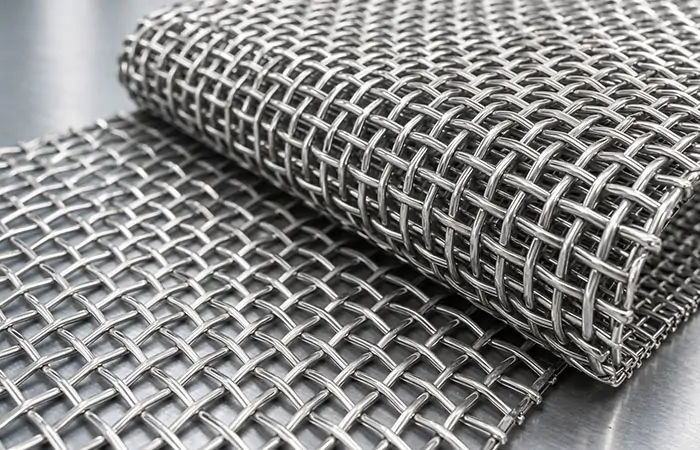
Stainless steel mesh, also known as stainless steel wire fabric or stainless steel mesh cloth, is a versatile and durable material widely used across various B2B industries. It is crafted from high-quality stainless steel wires, woven or welded together to form a flexible, resilient mesh structure. The key features that make stainless steel mesh stand out—corrosion resistance, long-term durability, and exceptional versatility—have made it a top choice for businesses seeking reliable solutions for filtration, separation, security, and more. Unlike ordinary metal meshes, stainless steel mesh (often abbreviated as ss steel mesh or ss mesh wire) offers superior performance in harsh environments, reducing maintenance costs and extending service life for B2B clients. In this complete guide, we will explore the full range of stainless steel mesh uses, break down its material specifications, highlight key application scenarios, and provide practical tips for B2B buyers looking to select the right stainless steel mesh for their specific needs.
What is Stainless Steel Mesh?
1. Definition & Key Specifications
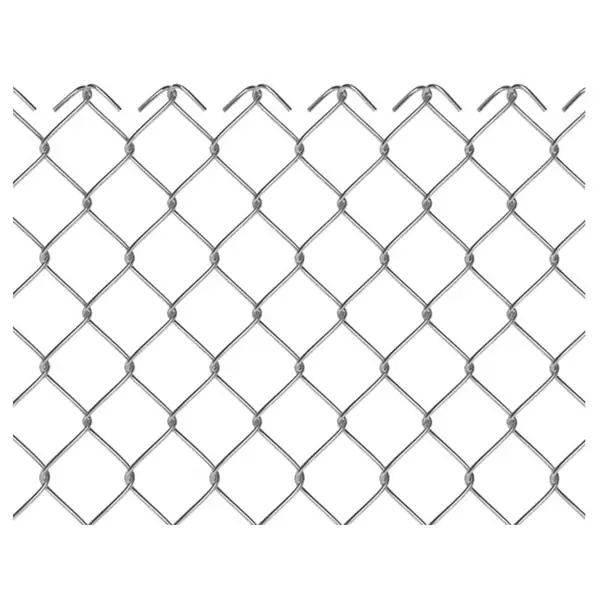
At its core, stainless steel mesh is a fabric-like structure made by weaving or welding stainless steel wires together. Also referred to as stainless steel wire fabric or stainless steel mesh fabric, it comes in a variety of configurations to suit different industrial and commercial needs. The common materials used in its production are stainless steel wire mesh material, stainless steel screen material, and stainless screen material—all of which contribute to its durability and corrosion resistance.
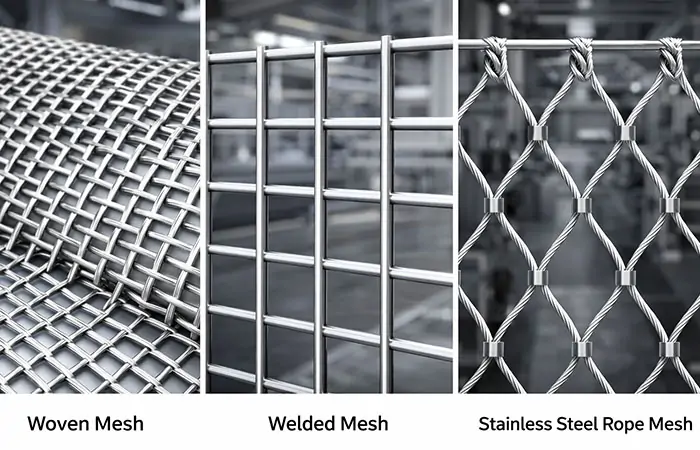
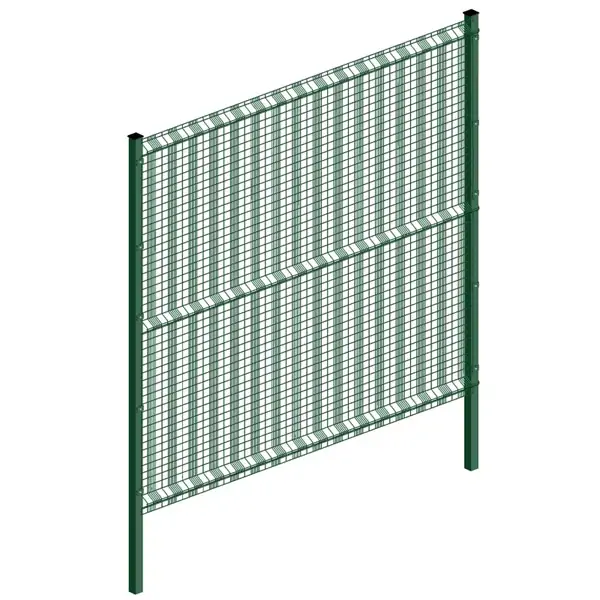
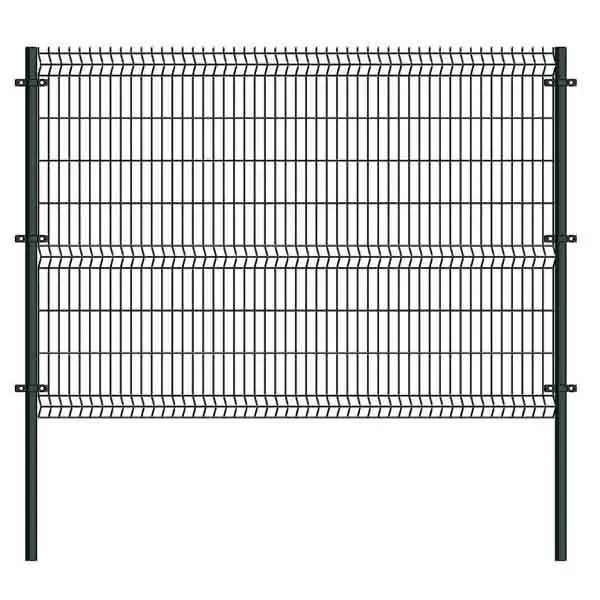
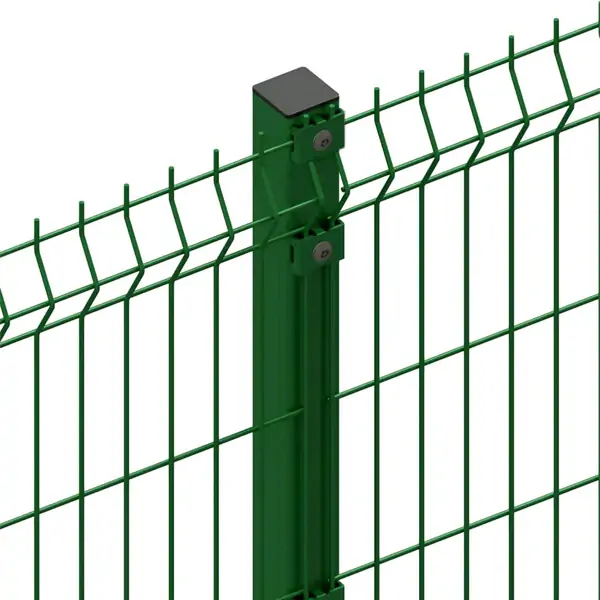
There are several types of stainless steel mesh, each designed for specific applications: woven mesh (ideal for filtration and sieving), welded mesh (perfect for security and fencing), stainless steel rope mesh (used for zoos, aquariums, and architectural designs), stainless steel grill mesh material (for grills and kitchen equipment), and stainless steel fence mesh (for perimeter security). For B2B buyers, it’s important to familiarize yourself with common abbreviations like ss steel mesh, ss mesh wire, and ss mesh screen—terms often used in bulk purchase and supplier communications.
2. Key Advantages of Stainless Steel Mesh
For B2B businesses, choosing the right material directly impacts operational efficiency and cost-effectiveness—and stainless steel mesh offers distinct advantages over other metal alternatives:
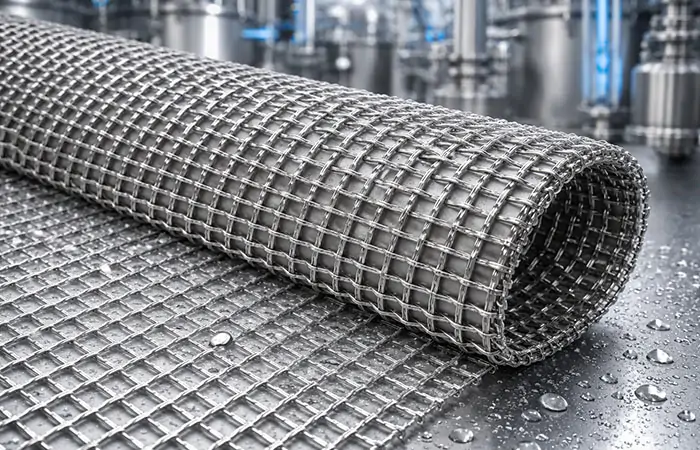
Corrosion resistance is one of its most significant benefits. Unlike regular metal steel mesh or metal mesh screen material, stainless steel mesh can withstand exposure to moisture, chemicals, saltwater, and harsh industrial environments without rusting or deteriorating. This makes it ideal for industries like chemical processing, water treatment, and marine applications.
Durability and longevity are critical for B2B bulk purchases, as businesses aim to minimize replacement costs. Stainless steel mesh requires minimal maintenance and has a long service life, even in high-traffic or high-stress applications. Its robust structure resists wear, tear, and deformation, ensuring consistent performance over time.
Versatility is another key advantage: stainless steel mesh can be customized in terms of mesh size, wire thickness, and weave pattern to adapt to nearly any industry, from food processing to construction. This flexibility means it can be used for everything from fine filtration to heavy-duty fencing.
Finally, its food-grade and sanitary properties make it suitable for food-related utensils (such as utensil with a wire mesh) and the food & beverage industry, where compliance with hygiene standards is non-negotiable.
Main Uses of Stainless Steel Mesh
1. Industrial Filtration & Separation
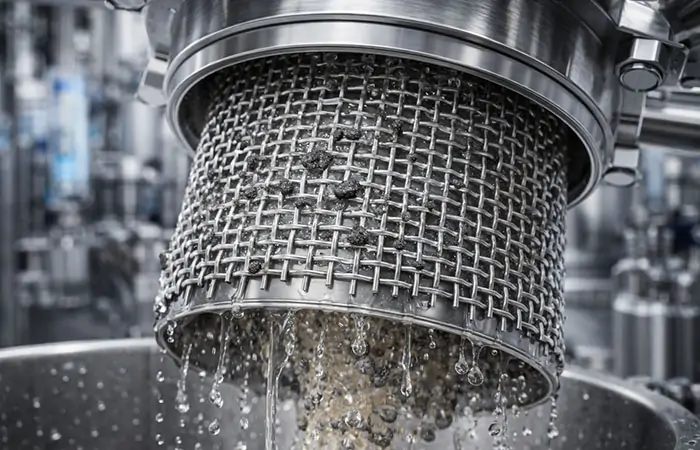
One of the most common and high-demand B2B uses for stainless steel mesh is industrial filtration and separation. Its precise mesh structure allows for accurate filtering of liquids, gases, and particles, making it essential in industries where purity and precision are critical. Stainless steel screen wire, wire mesh screen material, and metal screen mesh material are all commonly used in this context, as they offer the durability and precision needed for heavy industrial use.
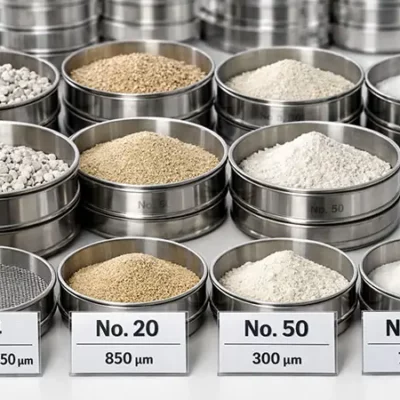
Application details include liquid filtration (e.g., filtering chemicals, oils, and water), gas filtration (e.g., removing impurities from industrial gases), particle separation (e.g., sieving powders and granular materials), and sieving (e.g., separating different sizes of materials in manufacturing). Industry examples include the chemical industry (filtering corrosive chemicals), pharmaceutical industry (ensuring purity in drug production), water treatment industry (removing contaminants from drinking water and wastewater), and oil & gas industry (filtering oil and gas during extraction and processing).
2. Food & Beverage Industry
The food & beverage industry is a high-value B2B market for stainless steel mesh, thanks to its food-grade and sanitary properties. Stainless steel mesh is used extensively in food processing, from raw material preparation to final packaging, ensuring compliance with strict hygiene standards.
Application details include food sieving (separating large particles from flour, sugar, and other ingredients), filtering (removing impurities from juices, sauces, and oils), drying (allowing air circulation for food drying), and food-grade utensils (such as utensil with a wire mesh for straining or sifting). Key keywords embedded here include stainless steel mesh cloth, stainless wire screen, and stainless steel screening mesh—terms commonly used by B2B buyers in the food industry.
For B2B buyers in this industry, compliance is critical. Food-grade stainless steel mesh must meet specific standards (such as FDA approval) to ensure it is safe for contact with food. When purchasing bulk stainless steel mesh for food applications, be sure to verify that the material is food-grade and free from contaminants that could affect food safety.

3. Architectural & Construction
The architectural and construction industry is a major bulk purchase market for stainless steel mesh, as it offers a combination of aesthetic appeal and durability. Stainless steel mesh is used in a variety of construction applications, from building facades to security railings, and is often purchased in large quantities by contractors and construction companies.
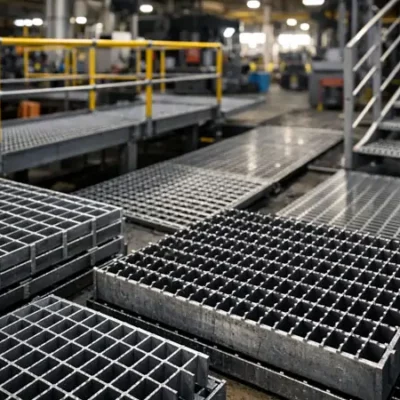
Application details include facade cladding (adding a modern, sleek look to commercial and industrial buildings), window screens (providing ventilation while keeping out insects and debris), railing infill (ensuring safety while maintaining visibility), and floor gratings (allowing drainage and air circulation in industrial and commercial spaces). Keywords embedded here include stainless steel metal screen, stainless steel fence mesh, and stainless steel mesh fence—terms relevant to B2B buyers in construction.
The advantages of using stainless steel mesh in construction are clear: it is aesthetically pleasing, durable enough to withstand harsh weather conditions, and requires minimal maintenance. It is also highly customizable, allowing architects and contractors to create unique designs that meet the specific needs of their projects.

4. Agriculture & Horticulture
Stainless steel mesh is also widely used in the agriculture and horticulture industries, where its durability and corrosion resistance make it ideal for outdoor use. It is used in a variety of applications to protect crops, contain animals, and improve farming efficiency.
Application details include greenhouse screens (controlling light, temperature, and pests in greenhouses), animal cages (containing livestock, poultry, and small animals), crop protection (preventing birds and pests from damaging crops), and soil sieving (separating soil particles for planting). Keywords embedded here include stainless steel screen material and wire mesh screen stainless steel—terms commonly used by B2B buyers in agriculture.

5. Security & Fencing
Security and fencing is another key B2B application for stainless steel mesh, as it offers superior strength and durability compared to other fencing materials. Stainless steel mesh is used to secure industrial facilities, commercial properties, and residential areas, providing a high level of protection against theft and unauthorized access.
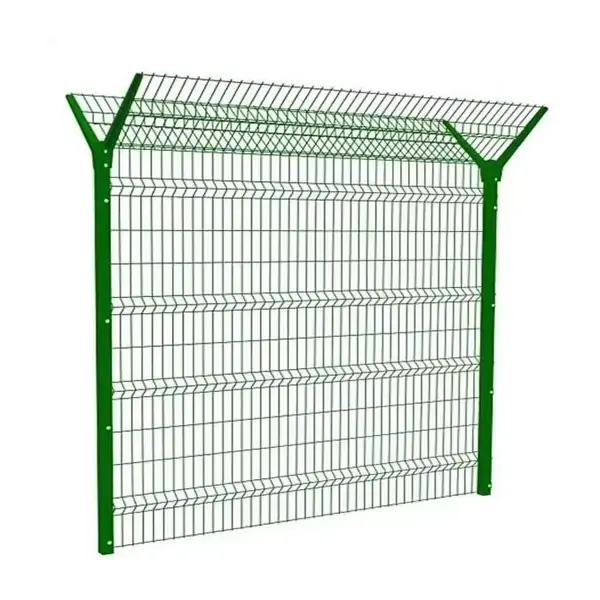
Application details include perimeter fencing (securing the boundaries of industrial plants, warehouses, and other facilities), security screens (protecting windows and doors from break-ins), and anti-theft mesh (securing valuable equipment and inventory). Keywords embedded here include stainless steel fence mesh, stainless steel mesh fence, and stainless steel metal screen—terms relevant to B2B buyers in security and facilities management.
6. Other Practical B2B Uses
In addition to the above industries, stainless steel mesh has a range of other practical B2B uses across various sectors:
Automotive industry: Stainless steel mesh is used in filter elements (for engine oil, fuel, and air filtration) and exhaust screens (reducing noise and preventing debris from entering the exhaust system).
Medical industry: It is used in sterilization baskets (for sterilizing medical instruments) and medical sieves (for separating medical powders and solutions), thanks to its sanitary and corrosion-resistant properties.
Household & Commercial: Stainless steel mesh is used in grill meshes (stainless steel grill mesh material for commercial and residential grills) and kitchen filters (for range hoods and water filters).
Special uses: Stainless steel rope mesh is used in zoos and aquariums to contain animals while maintaining visibility, and stainless wire mesh roll is often purchased in bulk by B2B buyers for custom applications.
How to Choose the Right Stainless Steel Mesh for Your B2B Needs
1. Considerations for B2B Buyers
Choosing the right stainless steel mesh for your B2B needs requires careful consideration of several key factors, as the wrong choice can lead to inefficiency, increased costs, and reduced performance. Here are the key considerations for B2B buyers:
Material selection: Understanding the difference between stainless steel mesh material and stainless steel screen material is critical. Stainless steel mesh material is typically used for heavy-duty applications (such as industrial filtration and fencing), while stainless steel screen material is often used for finer filtration and lighter applications. Be sure to choose the material that best matches your industry and application.
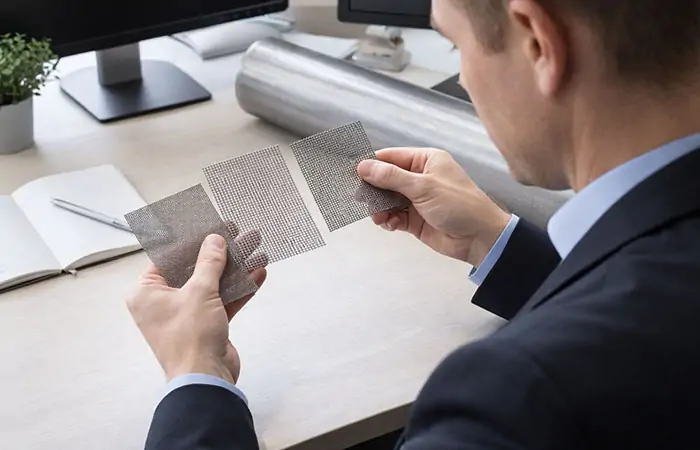
Mesh size & thickness: The mesh size (the number of wires per inch) and wire thickness determine the mesh’s strength, precision, and suitability for specific applications. For example, fine mesh sizes are ideal for filtration, while larger mesh sizes are better for fencing and screening. Match the mesh size and thickness to your specific needs—e.g., fine mesh for pharmaceutical filtration, thick wire mesh for industrial fencing.
Woven vs. Welded: Woven stainless steel mesh is flexible and ideal for filtration and sieving, while welded mesh is rigid and better for security and fencing. Consider the application’s requirements for flexibility and strength when choosing between woven and welded mesh.
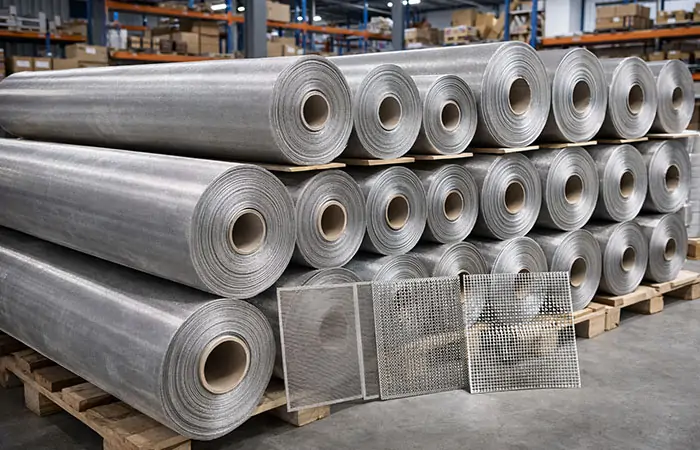
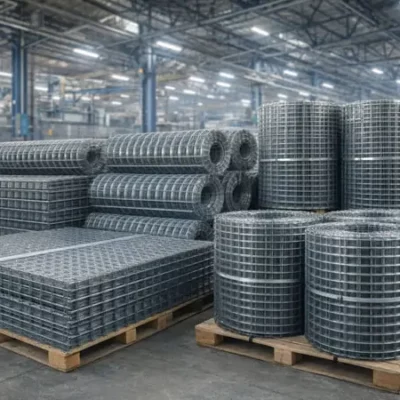
Bulk supply tips: If you’re purchasing stainless wire mesh roll in bulk (common for B2B buyers), be sure to check the specifications (mesh size, wire thickness, roll length) and minimum order quantity (MOQ) with your supplier. Bulk purchases often offer cost savings, but it’s important to ensure the product meets your exact requirements to avoid waste.
2. Common Mistakes to Avoid
When purchasing stainless steel mesh for B2B applications, there are several common mistakes to avoid to ensure you get the right product for your needs:
Confusing material types: Many B2B buyers confuse stainless steel mesh with metal steel mesh or other metal mesh. It’s important to understand the metal mesh meaning in B2B applications—stainless steel mesh offers superior corrosion resistance and durability compared to regular metal mesh, making it better suited for harsh environments. Don’t settle for lower-quality metal mesh screen material if your application requires stainless steel.
Ignoring corrosion resistance requirements: If your application involves exposure to moisture, chemicals, or saltwater, failing to choose corrosion-resistant stainless steel mesh can lead to premature rusting and replacement. Always verify the stainless steel grade (e.g., 304, 316) to ensure it meets your corrosion resistance needs.
Choosing the wrong mesh size: Selecting a mesh size that’s too fine or too large for your application can lead to inefficiency. For example, a mesh size that’s too fine for industrial sieving will slow down production, while a mesh size that’s too large for filtration will fail to remove impurities.
Maintenance & Care Tips for Stainless Steel Mesh
Proper maintenance and care of stainless steel mesh are essential for extending its service life, reducing replacement costs, and ensuring consistent performance—critical factors for B2B clients looking to maximize their investment.
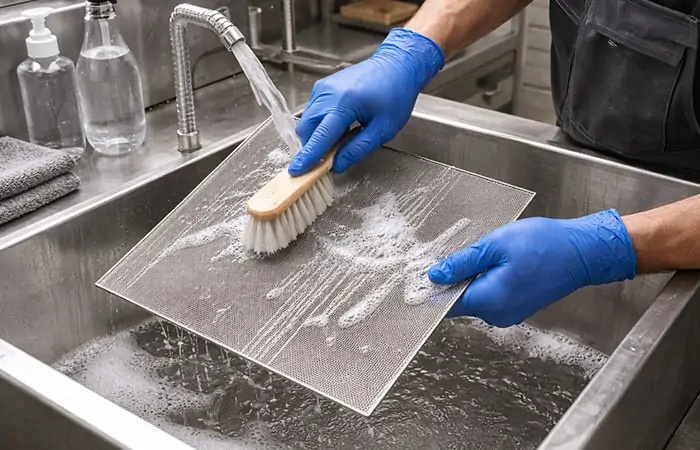
Cleaning: Regularly clean stainless steel mesh to remove dirt, debris, and buildup. For most applications, warm water and a mild detergent are sufficient—avoid harsh chemicals that can damage the mesh’s surface. For industrial applications with heavy buildup, use a soft brush to gently scrub the mesh, and rinse thoroughly with water.
Common maintenance issues: The most common issue with stainless steel mesh is clogging (especially in filtration applications). To prevent clogging, clean the mesh regularly and inspect it for damage. If the mesh becomes damaged (e.g., torn wires, bent frames), repair or replace it immediately to avoid further issues.
Storage tips: If you’re storing bulk stainless steel mesh (such as stainless wire mesh roll or ss mesh wire), keep it in a dry, well-ventilated area to prevent moisture buildup. Avoid storing it in direct sunlight or harsh environments, as this can damage the mesh over time. Rolled mesh should be stored horizontally to prevent warping.
FAQ
Q1: What’s the difference between stainless steel mesh and stainless steel screen wire?
A: While the terms are often used interchangeably, stainless steel mesh typically refers to a woven or welded structure used for filtration, fencing, and other industrial applications, while stainless steel screen wire is a finer, lighter mesh used primarily for screening (e.g., window screens, fine filtration). Both are made of stainless steel, but stainless steel screen wire is often thinner and has a finer mesh size.
Q2: Can stainless steel mesh be used for food contact?
A: Yes, food-grade stainless steel mesh (meeting FDA or other relevant standards) is safe for food contact. It is commonly used in food sieving, filtering, and utensils (such as utensil with a wire mesh) because it is sanitary, corrosion-resistant, and does not leach harmful chemicals into food.
Q3: What is metal mesh meaning in B2B applications?
A: In B2B applications, metal mesh refers to a structure made of metal wires (woven or welded) used for various purposes, including filtration, separation, security, and screening. Stainless steel mesh is a type of metal mesh that offers superior corrosion resistance and durability compared to other metal meshes (such as metal steel mesh or metal mesh screen material).
Q4: How to order bulk stainless wire mesh roll for industrial use?
A: To order bulk stainless wire mesh roll, contact a reputable B2B supplier specializing in stainless steel mesh. Provide details such as mesh size, wire thickness, roll length, and MOQ. Most suppliers offer customizations to meet specific industrial needs, and bulk orders often come with discounted pricing.
Q5: Is ss steel mesh the same as stainless steel mesh?
A: Yes, ss steel mesh is simply an abbreviation for stainless steel mesh. Similarly, ss mesh wire and ss mesh screen are abbreviations for stainless steel mesh wire and stainless steel mesh screen, respectively. These terms are commonly used in B2B communications and bulk purchase.
Q6: What are the common sizes of stainless steel grill mesh material?
A: Common sizes of stainless steel grill mesh material vary depending on the application, but typical mesh sizes range from 2 mesh (large openings for heavy-duty grills) to 10 mesh (finer openings for residential grills). The wire thickness also varies, with thicker wires used for commercial grills and thinner wires for residential use.
Conclusion
When choosing stainless steel mesh for your business, remember to consider your specific application, material requirements, and bulk supply needs. Whether you’re purchasing ss steel mesh for industrial filtration, stainless steel fence mesh for security, or stainless wire mesh roll for bulk use, selecting the right product will ensure optimal performance and cost-effectiveness.
If you’re ready to source high-quality stainless steel mesh (including stainless steel wire fabric, stainless steel screen material, and ss mesh wire) for your B2B needs, contact us today. We offer bulk quotes, custom solutions, and expert advice to help you find the perfect stainless steel mesh for your industry. Let us be your trusted partner for all your stainless steel mesh requirements.

 EN
EN  DE
DE  FR
FR  ES
ES  AR
AR  PT
PT