
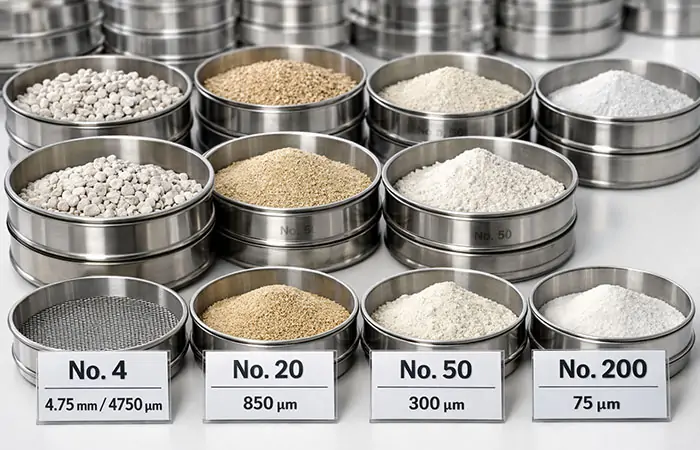
In industries such as powder processing, filtration, food production, and chemical manufacturing, understanding mesh size and micron conversion is essential for controlling particle size and filtration efficiency. Engineers, purchasing managers, and process technicians frequently need to convert between mesh size and microns to ensure the correct sieve or filter is selected for a specific application.
Mesh size refers to the number of openings in a screen per linear inch, while micron (µm) is a unit used to measure particle diameter. Because these units describe different aspects of particle separation, conversion charts are commonly used to translate mesh numbers into approximate micron sizes.
This guide explains how mesh sizes relate to microns, provides a mesh-to-micron conversion chart, and explores how these measurements influence milling, sieving, and industrial filtration processes.
What Is Mesh Size?
Definition of Mesh Size
Mesh size refers to the number of openings per linear inch in a wire mesh screen. For example:
-
A 10 mesh screen contains 10 openings per inch
-
A 100 mesh screen contains 100 openings per inch
As the mesh number increases, the openings become smaller.
Mesh size is commonly used in:
-
Industrial filtration
-
Powder classification
-
Material grading
-
Milling and grinding operations
Standards for sieve mesh sizes are defined by organizations such as:
-
ASTM International
-
International Organization for Standardization
These standards ensure consistent measurement across laboratories and industrial applications.
How Mesh Size Is Measured
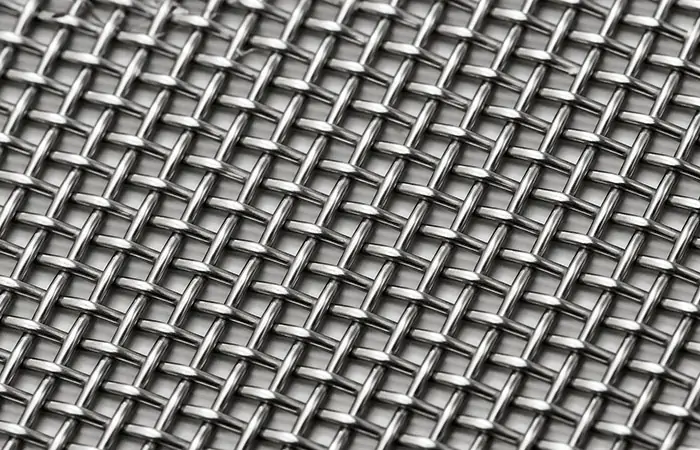
Mesh size is determined by counting the number of openings across one linear inch of screen. However, the actual opening size is affected by:
-
wire diameter
-
weaving method
-
manufacturing tolerance
Because of these factors, mesh numbers represent approximate particle sizes, not exact micron values.
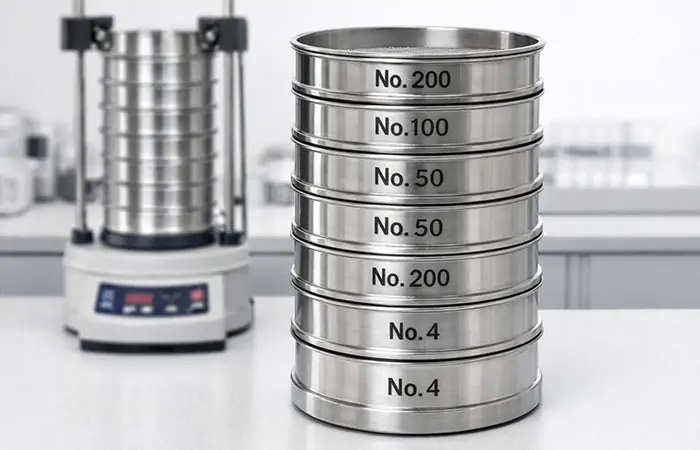
Mesh vs Micron: What’s the Difference?
What Is a Micron?
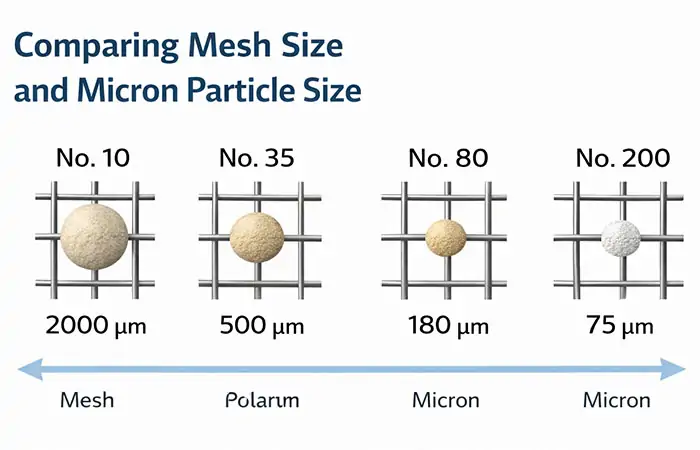
A micron, also called a micrometer (µm), is a metric unit used to measure particle size.
1 micron = 0.001 millimeters
Microns are commonly used in:
-
filtration ratings
-
particle size analysis
-
pharmaceutical powders
-
food processing
-
metal powder manufacturing
Micron measurements describe individual particle diameters, while mesh sizes describe screen openings.
Why Mesh and Microns Are Not the Same
Although mesh and micron values are often converted, they are not identical measurements.
Key differences include:
| Measurement | Description |
|---|---|
| Mesh | Number of openings per inch |
| Micron | Particle diameter measurement |
| Mesh opening | Determines what particles pass through |
| Micron size | Measures actual particle dimension |
Because particles vary in shape and orientation, a mesh-to-micron conversion is always approximate.
Mesh to Micron Conversion Chart
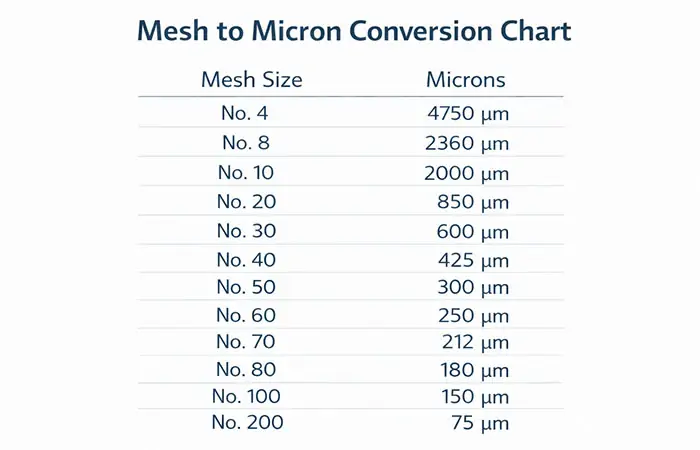
Below is a commonly used mesh to micron conversion reference chart.
| Mesh Size | Opening (Microns) | Opening (mm) |
|---|---|---|
| 10 Mesh | ~2000 µm | 2.0 mm |
| 20 Mesh | ~850 µm | 0.85 mm |
| 40 Mesh | ~425 µm | 0.425 mm |
| 60 Mesh | ~250 µm | 0.25 mm |
| 80 Mesh | ~180 µm | 0.18 mm |
| 100 Mesh | ~150 µm | 0.15 mm |
| 140 Mesh | ~106 µm | 0.106 mm |
| 200 Mesh | ~75 µm | 0.075 mm |
| 270 Mesh | ~53 µm | 0.053 mm |
| 325 Mesh | ~45 µm | 0.045 mm |
| 400 Mesh | ~38 µm | 0.038 mm |
This chart is widely used in industries such as:
-
powder metallurgy
-
pharmaceuticals
-
chemical processing
-
food milling
How Mesh Size Affects Milling and Particle Processing
Particle size plays a critical role in milling efficiency, product quality, and filtration performance.

Particle Size Control in Milling
Industrial milling processes typically include:
-
crushing
-
grinding
-
classification
-
sieving
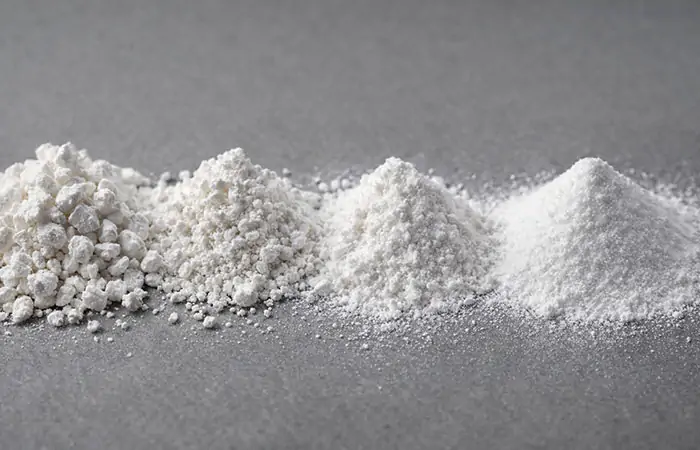
Mesh screens are used to control the maximum particle size allowed in the final product.
For example:
-
40 mesh powder is considered coarse
-
200 mesh powder is very fine
-
325 mesh powder is ultra-fine
The smaller the mesh opening, the finer the resulting powder.
Choosing the Correct Mesh for Milling
Selecting the appropriate mesh size depends on several factors:
1. Desired particle size
Fine powders require higher mesh numbers.
2. Material hardness
Harder materials require stronger grinding equipment and durable screens.
3. Production throughput
Larger openings allow faster material flow.
4. Downstream filtration
Mesh sizes must match filter or separator requirements.
Standard Sieve Mesh Sizes Used in Industry
Industrial sieving relies on standardized mesh specifications.
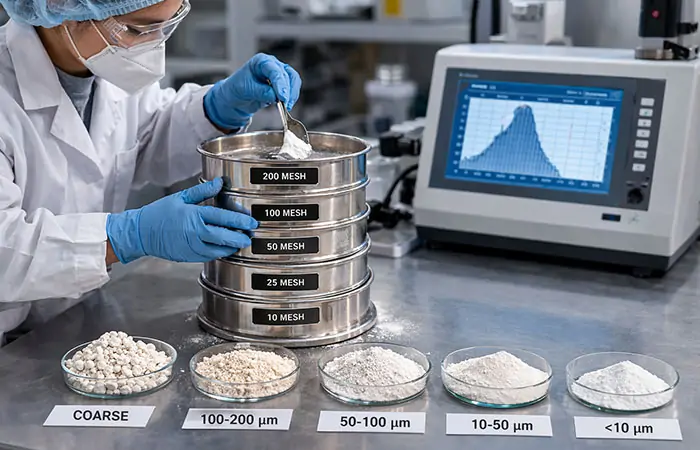
U.S. Standard Sieve Series
The U.S. standard sieve series is widely used for:
-
laboratory testing
-
particle size analysis
-
materials classification
These specifications are governed by ASTM E11 standards published by ASTM International.
ISO Test Sieve Standards
International markets often follow standards published by the
International Organization for Standardization.
ISO standards ensure consistent particle measurement across industries including:
-
pharmaceuticals
-
chemicals
-
food production
-
metallurgy
How to Convert Mesh to Microns
There are several methods used in industry to convert mesh sizes to micron measurements.
Method 1: Using Conversion Charts
The most common method is referencing a standard mesh-to-micron conversion table, which provides approximate particle sizes.
This approach is widely used because it is:
-
fast
-
reliable
-
easy to reference
Method 2: Mesh Opening Calculations
In some cases, engineers calculate opening sizes using formulas based on:
-
mesh count
-
wire diameter
-
weave structure
However, these calculations are more complex and rarely needed for routine industrial applications.
Method 3: Particle Size Analysis Equipment
Advanced laboratories use instruments such as:
-
laser particle analyzers
-
sedimentation analyzers
-
optical particle counters
These tools provide more precise particle size distribution data than sieve analysis.
Applications of Mesh to Micron Conversion
Mesh-to-micron conversion is widely used across multiple industries.
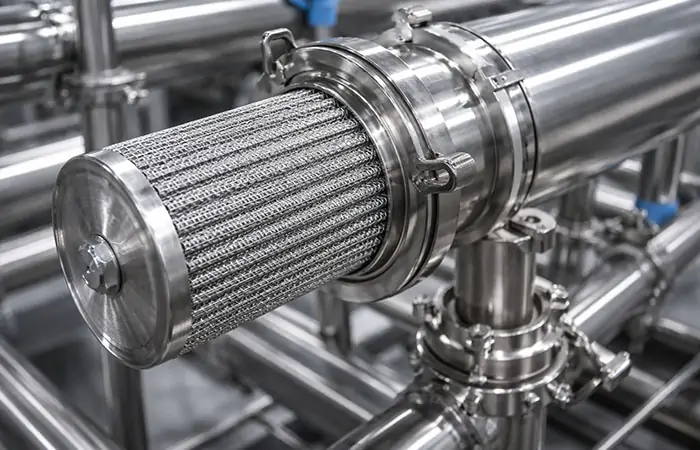
Filtration Systems
Mesh filters are commonly used in:
-
water filtration
-
oil filtration
-
air filtration
-
industrial liquid processing
Filter ratings are often specified in microns, while filter media may be produced using mesh screens.
Powder Processing
Industries that rely heavily on particle size control include:
-
pharmaceutical manufacturing
-
chemical production
-
metal powder processing
-
additive manufacturing
Precise particle sizing ensures consistent product quality and process stability.
Food Processing
Food manufacturers use mesh screens for:
-
flour milling
-
sugar processing
-
spice grinding
-
beverage filtration
Proper mesh selection ensures uniform particle size and improves product consistency.
How to Choose the Right Mesh Size
Selecting the correct mesh depends on the specific industrial application.
Key factors to consider include:
Required particle size
Determine the target micron size for the final product.
Material characteristics
Consider hardness, density, and particle shape.
Flow rate requirements
Higher throughput applications may require larger mesh openings.
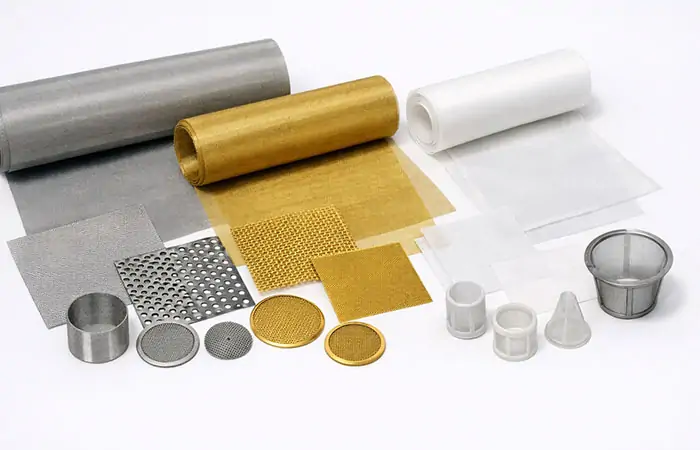
Mesh material
Common materials include:
-
stainless steel mesh
-
brass mesh
-
nylon filter mesh
-
polyester mesh
Stainless steel is widely used due to its corrosion resistance, durability, and high temperature tolerance.
Frequently Asked Questions
What mesh size equals 100 microns?
Approximately 140 mesh corresponds to an opening size close to 100 microns.
What mesh is 200 microns?
A particle size of 200 microns corresponds roughly to 70–80 mesh.
Is higher mesh size finer?
Yes. A higher mesh number means smaller openings and finer particles.
What mesh size is best for powder filtration?
This depends on the application, but common filtration ranges include:
-
100 mesh for coarse filtration
-
200 mesh for fine filtration
-
325 mesh for ultra-fine filtration
How accurate is mesh-to-micron conversion?
Conversions provide approximate values because particle shape and orientation affect whether particles pass through the mesh openings.
Conclusion
Understanding the relationship between mesh size and micron measurements is essential for industries that rely on particle size control. Mesh screens define the number of openings per inch, while microns measure the diameter of individual particles.
Conversion charts simplify the process of selecting the correct mesh for applications such as:
-
milling
-
powder processing
-
filtration
-
material classification
By selecting the appropriate mesh size and filtration material, manufacturers can improve product quality, optimize processing efficiency, and ensure consistent performance across industrial systems.




 EN
EN  DE
DE  FR
FR  ES
ES  AR
AR  PT
PT