
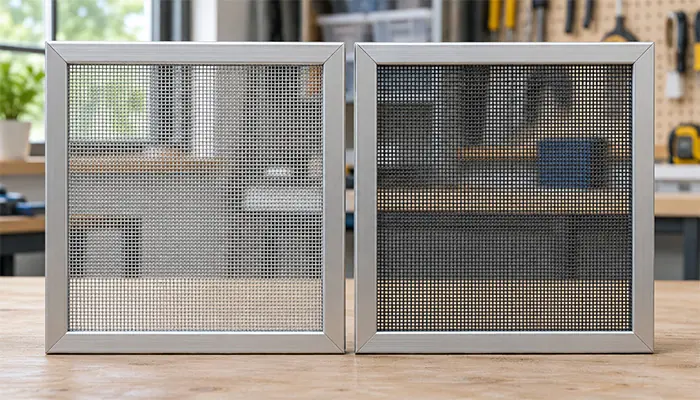
Choosing between aluminum and fiberglass screen mesh affects more than the appearance of a window. For importers, distributors, window manufacturers, and installation contractors, the decision also influences fabrication, material waste, maintenance, and purchasing cost.
Fiberglass screen mesh is usually a practical starting point when flexibility, installation convenience, and initial cost matter most. Aluminum screen mesh suits projects that call for a metal weave and a firmer appearance. Both can provide insect protection when the opening size and installation match the application.
The useful comparison is therefore between complete specifications: material, mesh count, wire or yarn diameter, finish, and frame compatibility. This guide explains those differences and the details buyers should confirm before placing a bulk order.
In British English, these materials are commonly called aluminium و fibreglass. The discussion here concerns window and door insect screening.
Aluminum vs. Fiberglass Screen Mesh at a Glance
| Selection factor | Aluminum screen mesh | Fiberglass screen mesh |
|---|---|---|
| بناء | Woven aluminum or aluminum-alloy wire | Commonly woven PVC-coated fiberglass yarn |
| Handling | Firmer weave; protect against dents and creases | Flexible and convenient to handle during fitting |
| Insect protection | Depends on aperture, mesh integrity, and perimeter sealing | Depends on aperture, mesh integrity, and perimeter sealing |
| Airflow and visibility | Depend on weave, wire diameter, openness, and finish | Depend on weave, yarn diameter, openness, and color |
| Exposure outdoors | Check alloy, finish, salt exposure, and care requirements | Check coating quality and documented weathering performance |
| التكلفة الأولية | Compare quotations for the required construction | Standard grades are commonly an economical option |
| Purchasing priority | Metal construction and a crisp mesh appearance | Flexibility, fitting convenience, and budget control |
These are general selection tendencies. A lightweight aluminum screen and a reinforced fiberglass product may behave differently from a comparison between two standard grades.
What Are Aluminum and Fiberglass Insect Screens?
What Is Aluminum Screen Mesh?
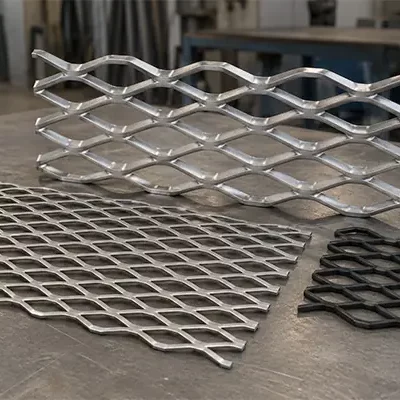
Aluminum screen mesh is woven from thin aluminum or aluminum-alloy wires. The wire diameter, weave, and surface treatment influence how the finished screen handles and looks. It is used in framed windows, screen doors, and other screened openings.
Buyers considering metal screening can review YESON’s شاشة نافذة من سبائك الألومنيوم for product information and specification discussions. The mesh material and the frame material should be stated separately in an order: an aluminum frame can also hold fiberglass screen cloth.
What Is Fiberglass Screen Mesh?
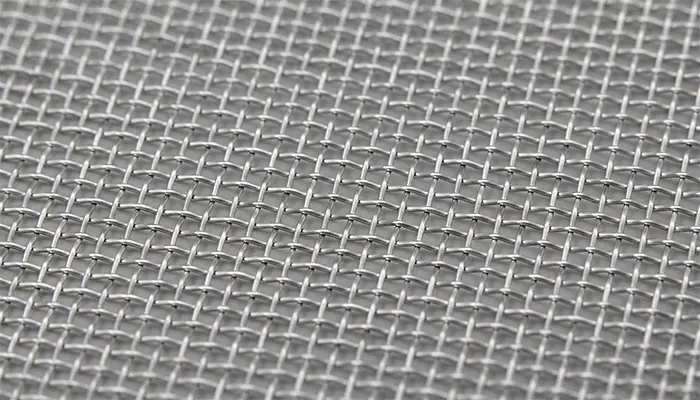
Fiberglass insect mesh is commonly made from glass-fiber yarn with a protective PVC coating, woven into a flexible screen fabric. Black, charcoal, and gray are familiar color options. The finished yarn diameter and weave determine the openings within the fabric.
YESON’s fiberglass insect screen mesh provides a relevant starting point for buyers assessing this material for window and door applications. When requesting a sample, specify the required weave and dimensions so that the sample can be evaluated against the intended frame.
Aluminum vs. Fiberglass Screens: Six Key Differences
1. Insect Protection and Actual Opening Size
Both materials can form an effective physical barrier against insects that cannot pass through their openings. The practical question is whether the finished aperture suits the target insect and remains consistent across the screen.
A tightly woven panel can still allow insects around a loose edge or damaged corner. Assess the mesh together with frame fit, door closure, and perimeter sealing. Where very small insects are the concern, request a suitable fine-aperture construction rather than selecting by material name alone.
2. Durability, Tears, Dents, and Creases
Aluminum screening has a firm character, but thin wire mesh can retain dents or creases after concentrated impact or rough handling. Fiberglass screening flexes more readily and avoids the same kind of metal denting, although cuts, abrasion, or damaged yarns can compromise the fabric.
For a useful durability comparison, define the likely damage: pressure during handling, repeated rubbing, tearing, or exposure outdoors. Ask for relevant data on the proposed grade. Standard insect screening should also be distinguished from products specifically designed for frequent pet contact or enhanced tear resistance.
3. Airflow, Visibility, and Screen Color
Airflow and outward visibility depend on screen geometry as well as material. Mesh count, finished wire or yarn diameter, and open area all matter. A finer yarn can produce a different result from a thicker yarn at the same nominal count.
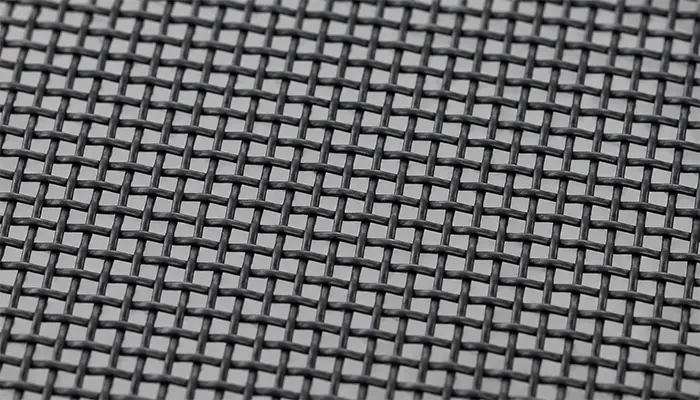
Color and surface finish affect how noticeable the weave appears against its surroundings. For a fair purchasing comparison, place samples side by side under the same light, at the same viewing distance, with the same background. Treat percentage claims about airflow or visibility as product-specific data.
4. Weathering, UV Exposure, and Coastal Conditions
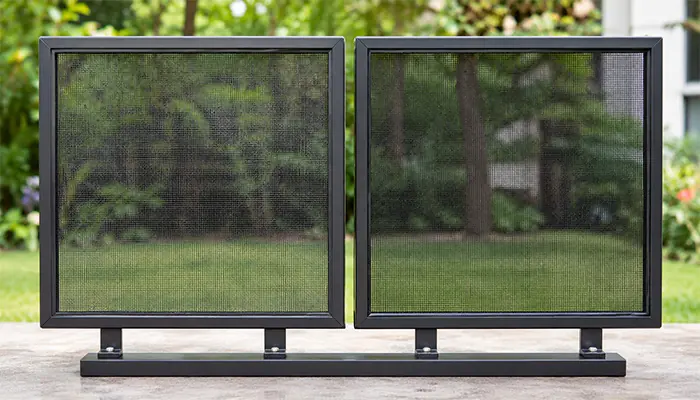
Aluminum does not develop iron rust, but its suitability for salt exposure still depends on the alloy, finish, installation, and maintenance. Fiberglass yarn is nonmetallic; its outdoor performance also relies on the protective coating and the finished fabric’s resistance to weathering.
Coastal, humid, and strongly sun-exposed projects deserve a specification review. Describe the installation environment and ask whether the proposed product is suitable for it. Request applicable coating or weathering information instead of assuming that all metal screens, or all fiberglass screens, will perform alike.
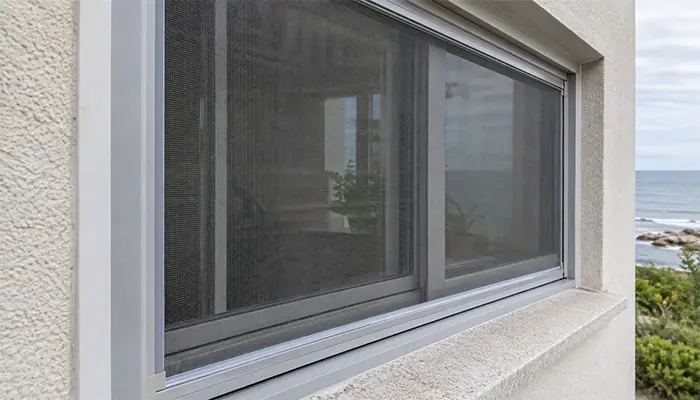
5. Installation, Frame Compatibility, and Replacement
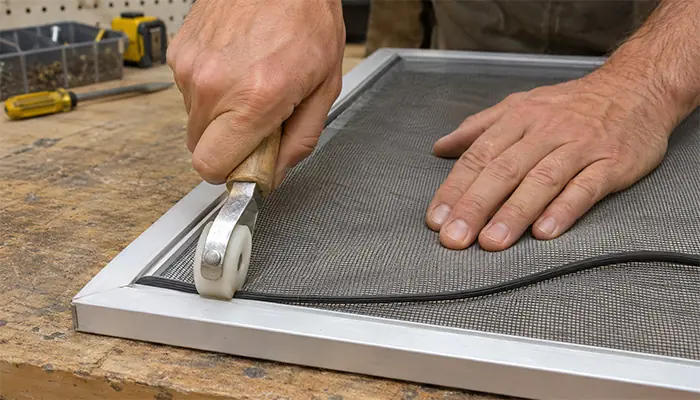
Fiberglass fly screen is flexible during fitting. Aluminum mesh needs careful handling to preserve a smooth surface. In spline-retained frames, the groove, mesh thickness, and spline must work together; spline is the cord that holds the screening in the frame.
Window manufacturers should trial the selected material on their production frame before approving a bulk order. Check retention, surface appearance, and frame straightness after fitting. This trial also helps establish cutting allowances and handling instructions for the assembly team.
6. Initial Price vs. Total Project Cost
Standard fiberglass screening is commonly less expensive initially than aluminum screening, but a quotation is meaningful only when its specifications are clear. Compare material, dimensions, finish, packaging, and delivery terms on the same basis.
For a fabrication business, cost per usable panel can be more informative than cost per roll. A roll width that matches the cutting plan may reduce waste. Include installation labor, damaged material, and expected replacement work in the project assessment, using your own operating data rather than a generic lifespan claim.
How Mesh Count and Aperture Affect Bug Protection
What Does 18 × 16 or 20 × 20 Mesh Mean?
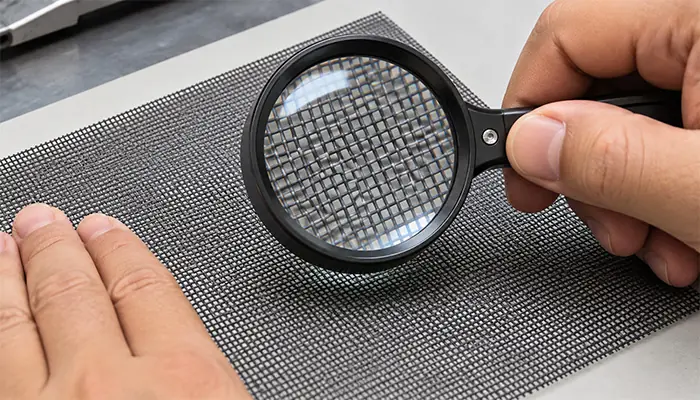
The two numbers describe mesh counts along the two directions of the weave, measured per linear inch. An 18 × 16 screen has different counts in the two directions; a 20 × 20 screen has the same nominal count in each.
Count alone does not give the clear opening. For an ideal, evenly spaced weave with round wire, the approximate opening in millimeters along one direction is:
Clear opening ≈ 25.4 ÷ mesh count − wire diameter in millimeters.
For example, an 18-count direction with 0.25 mm wire gives an approximate opening of 1.16 mm. This is an illustration, not a YESON product specification. Coated yarns and finished fabrics should be checked using actual measurements and the agreed tolerances.
Matching the Opening Size to the Target Insect
A 20 × 20 construction generally has smaller openings than an 18 × 16 construction when wire or yarn diameter is comparable. Changing the diameter changes that comparison. Ask the supplier for the finished aperture in both directions.
Select an aperture suited to the insects of concern, then review openness and ventilation. For demanding applications, confirm performance with the proposed screen assembly under representative conditions. Mesh count is a useful purchasing description, while actual opening size provides the more direct measure of the barrier.
Insect Screen Mesh vs. Standard Screen Mesh: Is There a Difference?
In window and door discussions, “standard screen mesh” often already means a conventional insect screen. It is not a universal material, aperture, or performance standard. “Fly screen” and “insect screen” also overlap in everyday use.
A comparison of insect screen mesh vs. standard screen mesh becomes useful once “standard” is defined. A customer may mean a regular window screen, a finer screen for small insects, or a general-purpose mesh with larger openings.
For an inquiry, replace the ambiguous description with measurable details: material, count, finished aperture, diameter, and application. A retained sample or existing product code can help establish what the buyer wants to match.
Which Screen Mesh Is Better for Your Project?
Budget-Conscious Window Production and Rescreening
Fiberglass is worth evaluating where flexible handling, convenient installation, and initial cost are important. For a distributor or window producer, compare available roll dimensions with the sizes most frequently sold or fabricated. Approve the mesh on a representative frame before making it a regular stock item.
Fixed Screens Where a Metal Mesh Is Preferred
Aluminum is a candidate where the specification calls for metal screening and a firm mesh appearance. Confirm wire diameter, finish, frame compatibility, and handling requirements. An assembled sample helps the buyer judge the complete result.
Coastal Projects, Smaller Insects, and Pet Exposure
| Project priority | ما الذي يجب التأكد منه |
|---|---|
| Salt or high-humidity exposure | Suitability of the exact material and finish, supporting data, and care requirements |
| Smaller flying insects | Finished aperture in both directions, uniformity, and perimeter sealing |
| Frequent pet contact | A purpose-designed construction with relevant tear or puncture performance |
| Airflow and a clear view | Openness, diameter, finish, and a side-by-side sample comparison |
Buyers comparing options can browse the YESON window screen range and narrow the inquiry to products that match these requirements.
What B2B Buyers Should Specify Before Ordering Screen Mesh
Material, Weave, and Dimensional Requirements
A written specification helps suppliers quote comparable products and gives receiving inspectors a clear acceptance basis. Include the following details:
- Material and finish: fiberglass with the required coating, or aluminum/alloy wire with the agreed surface treatment.
- بناء: weave, count in both directions, finished diameter, aperture, and tolerances; include fabric weight where relevant.
- Roll dimensions: width, usable width, length, and permitted dimensional variation.
- Appearance: color reference, coating coverage, and acceptable surface condition.
- End use: frame system, fabrication process, target environment, and any required performance criteria.
State whether diameter refers to bare wire or finished coated wire/yarn. This distinction affects comparisons of aperture and material construction.
Samples, Inspection, and Performance Evidence
Approve a sample of the proposed construction and retain its specification with the order. Inspect mesh uniformity, broken wires or yarns, coating coverage, color, and roll condition. Trial cutting and fitting on the intended frame.
Where performance testing is required, agree on the method, conditions, and acceptance criteria. Tensile, tear, weathering, and corrosion information answer different questions. Check that any report applies to the offered model and construction.
Roll Packaging and Quotation Details
Define roll-core support, end protection, wrapping, and carton requirements according to how the goods will be transported and stored. For retail distribution, agree on labeling and pack quantities. For production use, confirm how rolls will be identified by specification and batch.
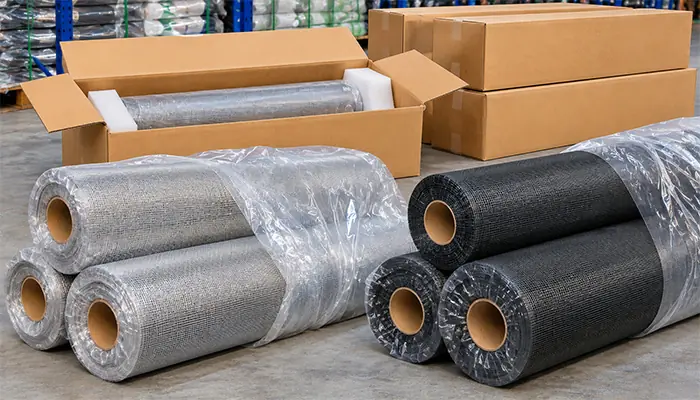
A complete inquiry should include order quantity, destination market, delivery location or port, and required timing. Confirm minimum order quantity, lead time, and customization availability for the actual order.
الأسئلة الشائعة
Is Fiberglass Magnetic?
Standard fiberglass screen mesh is not attracted to an ordinary magnet. A magnetic screen system normally uses magnetic strips or separate fasteners for attachment. The attachment system and the mesh fabric are separate components, so specify both when sourcing a complete screen.
Fiberglass Mesh Net vs. Polyester Screen Mesh: What Is the Difference?
The base yarn differs: one uses glass fiber, while the other uses polyester. Both may have protective coatings. Some reinforced polyester products are designed for tear resistance or frequent pet contact. Compare the proposed construction and test data; the word “polyester” alone does not establish a performance advantage.
What Are the Main Types of Flyscreen Mesh?
Common material categories include fiberglass, aluminum, polyester, and stainless steel. Regular insect screening, fine-aperture screening, and reinforced screening describe application or performance categories. A purchasing specification should identify both the material and the required function.
Black vs. Gray Fiberglass Fly Screen: Which Should You Choose?
Choose by the required appearance and the view through an installed sample. Black and gray fiberglass fly screen mesh can look different against light or dark backgrounds. With otherwise identical construction, color alone does not establish better insect exclusion; opening size and fit remain central.
Can Standard Window Screen Mesh Keep Out Small Insects?
It depends on the finished openings and the insects concerned. A conventional screen may suit common flying insects while a finer aperture may be needed for smaller species. Confirm the aperture and check the complete frame for gaps, loose edges, and damage.
Final Verdict: Choose the Specification That Fits the Application
For an aluminum vs. fiberglass screen comparison, start with the application. Fiberglass is often a practical option for flexible handling and cost-conscious fitting. Aluminum suits buyers seeking a metal weave and firm appearance. Neither material name settles every question about insect protection or service life.
A sound purchasing decision brings together aperture, construction, weather exposure, frame compatibility, and total project cost. Approve those details on a representative sample, then use the same specification for quotations and bulk supply.
 AR
 EN
 DE
 FR
 ES
 PT